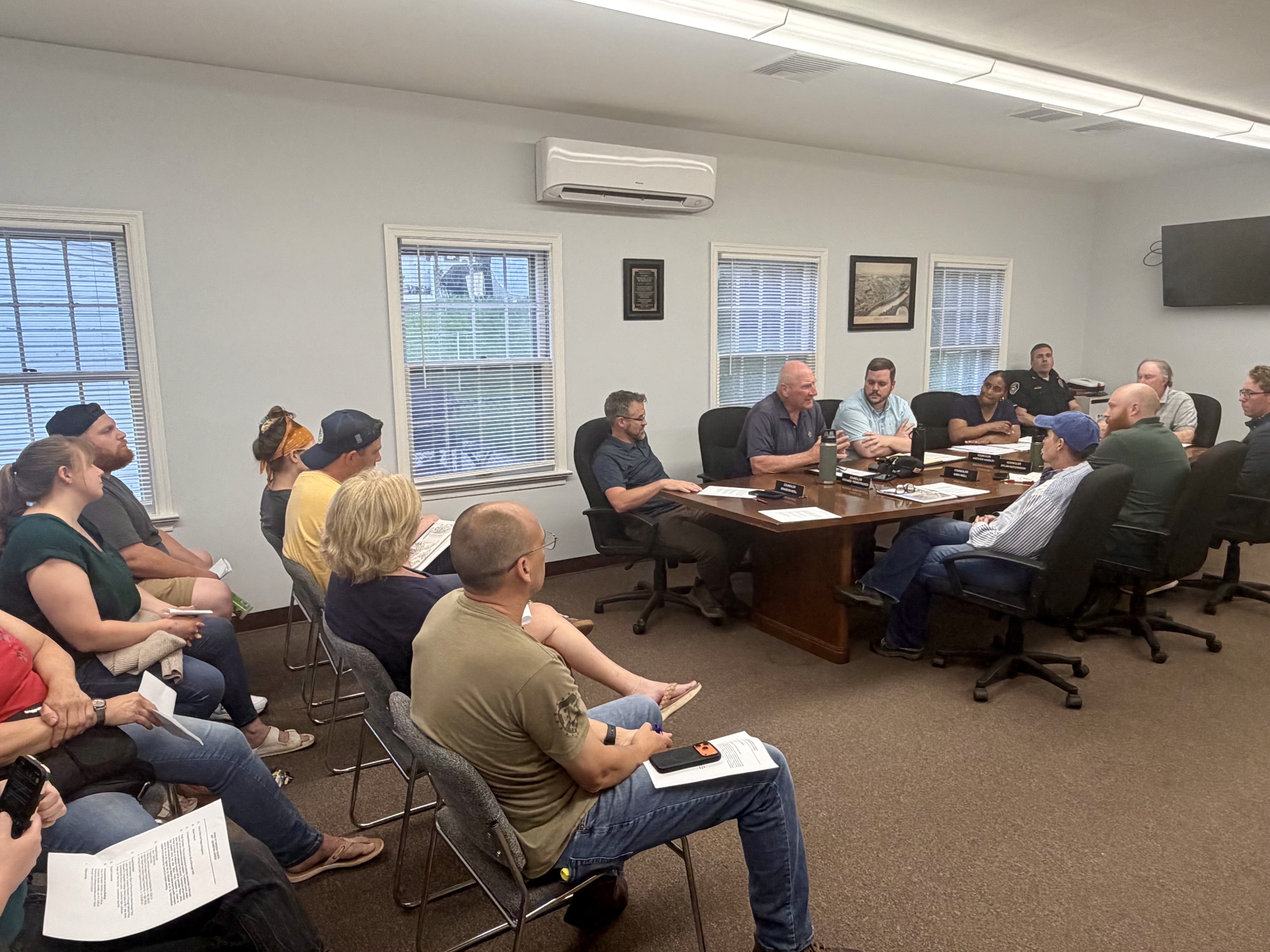
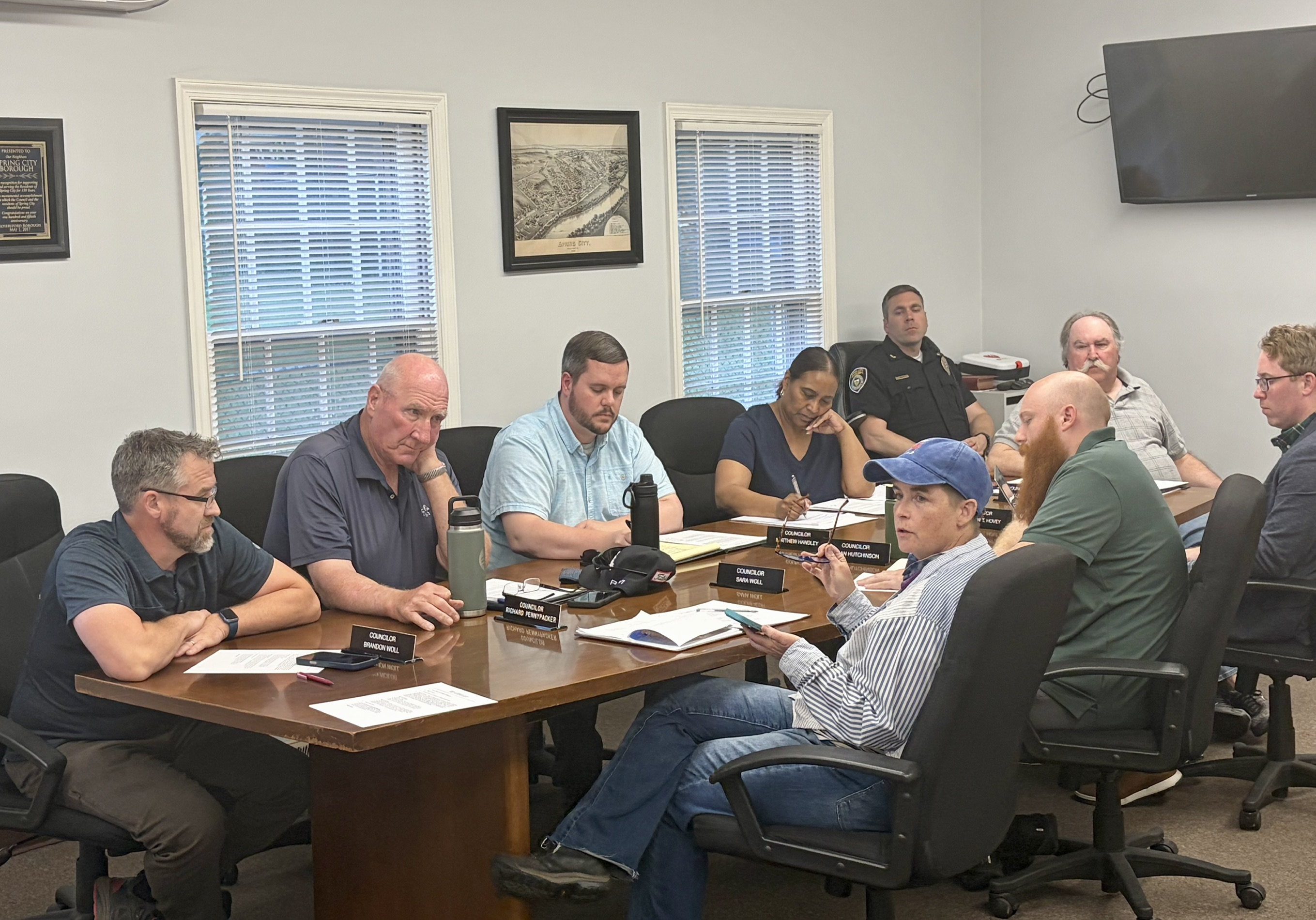
Spring City Borough Council took its first step toward establishing an environmental advisory council (EAC) Monday night, voting to authorize the drafting of a formal ordinance while pausing on a related discussion about reducing the use of single-use plastic bags.
Environmental Advisory Council Moves Forward
Councilor Dylan Hutchinson laid out the case for a seven-member advisory body, citing the borough's location within the Schuylkill River watershed and its connection to nearby waterways, including French Creek and Pickering Creek. He also pointed to the wave of data center proposals in the region — including one on the nearby Pennhurst property in East Vincent — as reason to have an informed, organized voice ready to weigh environmental impacts.
"One of the most important things is it's advisory,” Hutchinson said of the EAC, noting that the role of EAC members would be to advise and make recommendations to borough council. “They don't write laws."
The proposed EAC would identify environmental problems, promote conservation programs, advise the planning commission on development-related concerns, and maintain a running index of open spaces — including private parcels that could potentially become parks if they ever came up for sale. Hutchinson also outlined specific initiatives he hopes the group would pursue, including stormwater mitigation strategies, a street tree program, invasive plant species removal, pollinator gardens, and community litter cleanups.
Borough Solicitor Matt Hovey confirmed that establishing an EAC requires a formal ordinance and said council could consider adoption at its July 6 meeting. If approved, council could also begin making appointments to the body.
Councilor Brandon Woll expressed support for moving forward while encouraging a measured approach.
“By this time next year, there could be some really juicy things that we need guidance on,” he said. “And if we're then trying to form a committee, we're late.”
Borough Manager Kisha Tyler questioned whether the timing was right, noting that neighboring municipalities with active EACs are significantly larger than Spring City, with more open space and environmental assets to manage. She suggested that environmental priorities could be incorporated into the borough's upcoming comprehensive plan process before creating a dedicated advisory body.
Hutchinson respectfully disagreed, arguing that environmental concerns such as increasingly severe stormwater events make the need for an advisory council immediate rather than premature.
Residents who addressed council during public comment were largely supportive of the EAC proposal. Liesl Barkman, who described herself as a certified arborist and native plant landscape designer, voiced strong support, noting a decline in the borough's historic tree canopy and the spread of invasive plant species. Sarah Grady also endorsed the idea, framing it as an investment in future generations.
"My children will be here to see the results of environmental efforts we make now," she said.
Council ultimately voted unanimously to authorize the preparation and advertisement of an ordinance to establish the EAC.
Plastic Bag Discussion in Early Stages
Councilor Sara Woll emphasized that any discussion about reducing single-use plastic bags remains in its earliest stages and is not close to becoming a formal ordinance.
"We're at the very beginning of learning about it," she said.
Woll explained that the idea originated when a resident contacted her about the possibility, and said she is still researching how other municipalities have approached the issue. She outlined several common goals associated with plastic-reduction policies, including conserving resources, reducing greenhouse gas emissions, cutting litter, protecting water quality, and promoting public health.
She also cited global statistics commonly referenced in plastic reduction efforts, including estimates that 5 trillion plastic bags are used annually worldwide, that each can take roughly 1,000 years to degrade in a landfill, and that fewer than one in seven are recycled.
Woll mentioned that the ongoing conversation could include other single-use plastics in addition to plastic bags. She described a range of approaches used elsewhere, including opt-in utensil policies for restaurant takeout orders and small packaging fees designed to offset the cost of environmentally friendly alternatives. She stressed that education and collaboration with businesses would be essential components of any future proposal.
Some residents raised concerns about the idea during public comment.
Former council member Gary Brown argued that restrictions on plastic bags would represent unnecessary government interference in personal choice.
"Much like other small-town American settings, liberty is appreciated here in Spring City Borough," Brown said. "Liberty means people are free to make different choices without government stepping in every time someone thinks they know better."
Resident Gina Aiello questioned whether a bag policy would provide meaningful environmental benefits in a borough with relatively few retail businesses. She also expressed concern that additional costs could burden local businesses already facing economic challenges.
"I just feel like it's a nonsense thing when there are other things that are more important," Aiello told council.
Council members acknowledged the need for additional research and outreach before considering any future action.
"I don't want to hurt small businesses that are building up our community," Hutchinson said.
Rather than continue debating specifics, council decided to table the discussion until a future meeting. If the EAC is formally established, council members suggested the issue could eventually be referred to the new advisory body for further study and recommendations.
This article was generated with AI assistance. All content was reviewed, edited, and fact-checked by John McGuire.