A Chester County judge has granted intervenor status to two neighboring property owners and a community advocacy organization in the ongoing legal dispute over a proposed hyperscale data center at the Pennhurst property in East Vincent Township.
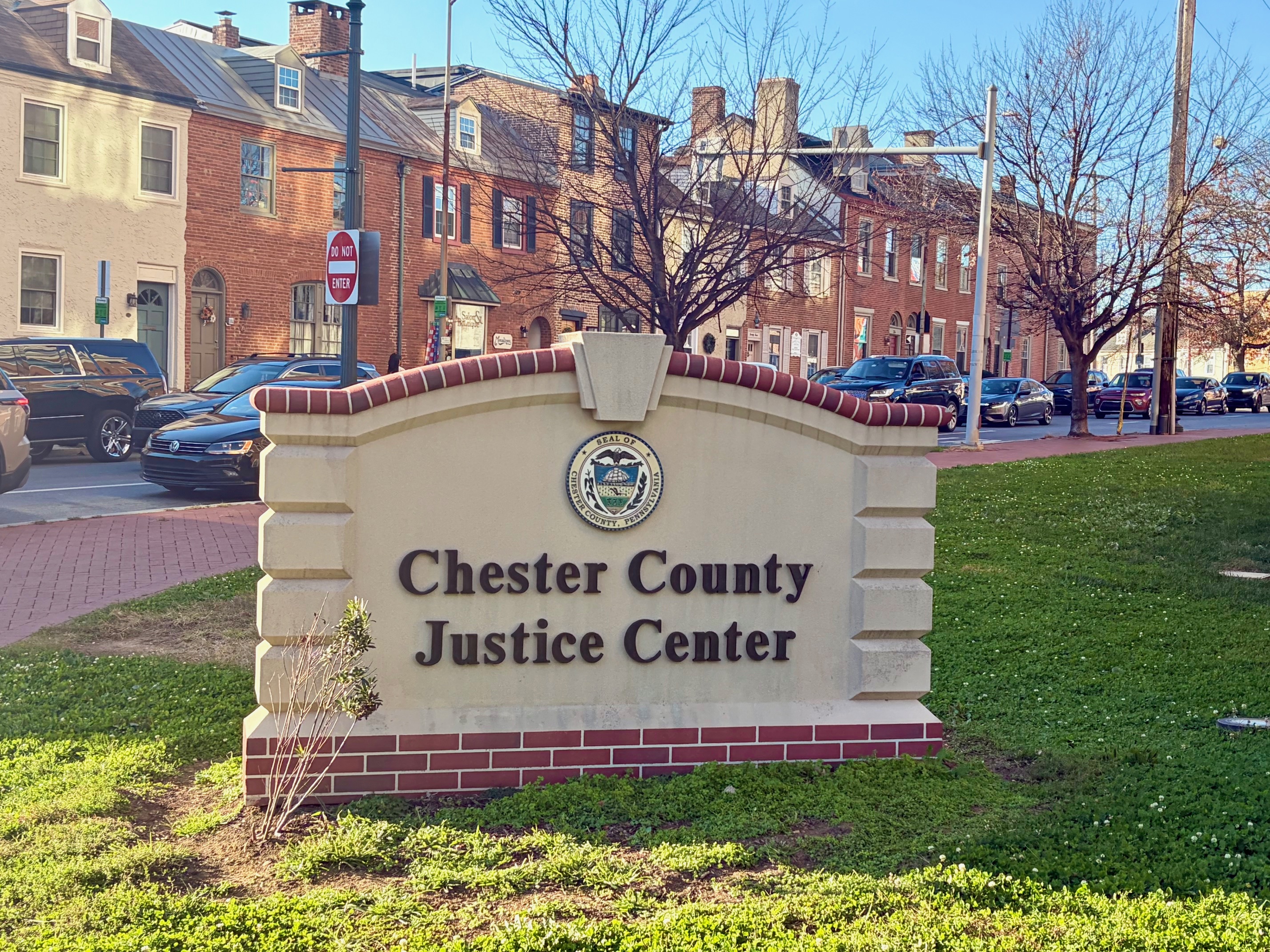
During a Tuesday, November 10, hearing at the Chester County Court of Common Pleas in West Chester, Judge Nicole Forzato ruled that John and Penny Hunt, owners of an adjoining farm, and East Vincent Advocacy have sufficient interests in the case to participate in the proceedings.
The ruling allows the Hunts and East Vincent Advocacy to join the township in defending the board of supervisors' decision to deny the data center proposal against an appeal filed by developer Penn Hurst Holdings DE, LLC.
The developer filed its appeal in June, challenging the supervisors' unanimous decision to deny its conditional use application for the approximately 123-acre property. The appeal argues that the board incorrectly interpreted the township's zoning ordinance when determining that the project did not qualify as a planned commercial development.
Tuesday's hearing did not address the merits of that appeal. Instead, testimony and legal arguments focused on whether the Hunts and East Vincent Advocacy had sufficient standing to participate in the court case.
Neighboring Farm Owners Seek to Intervene
John Hunt testified that he and his wife purchased approximately 130 acres adjoining the Pennhurst property from the Commonwealth of Pennsylvania at an auction about 40 years ago.
The couple owns and resides at Eden Valley Farm on Dairy Road, where Hunt, an attorney and farmer, raises cattle, horses, and crops. He estimated that their property shares approximately one mile of boundary with Pennhurst.
Under questioning from attorney Carl Ewald, who represents the Hunts and East Vincent Advocacy, Hunt described several concerns about the proposed data center's potential impacts on his property and agricultural operations.
He explained that the farm sits downhill from Pennhurst, making stormwater management a concern. He also cited the potential effects of a large industrial development on the animals and rural lifestyle his family has maintained for decades.
Hunt testified that his property's deed includes easements providing access through portions of the Pennhurst property, including on Brown Drive and Commonwealth Drive. However, he said the property owner has blocked access to those roads for more than three years, a dispute that has resulted in separate litigation.
Hunt also raised concerns about maintaining access to the Pennhurst site during emergencies, particularly given the farm's proximity to the Schuylkill River, which he estimated is approximately 50 yards away.
Attorney Matthew McHugh, representing Penn Hurst Holdings, challenged the Hunts' eligibility to intervene, focusing on their participation in the township's original conditional use proceedings.
Hunt acknowledged that he missed the first hearing because he was out of town but attended the subsequent hearing at which supervisors denied the application.
McHugh noted that the Hunts' original request for party status had been withdrawn during the township proceedings. Hunt explained that he understood East Vincent Advocacy and Ewald to be representing his interests at the time.
Hunt also testified that he supports East Vincent Advocacy and has made charitable contributions to the organization, although he does not pay membership dues.
McHugh argued that the Hunts had failed to complete the procedural steps necessary to establish standing in the appeal, including formally participating in the original conditional use hearing.
Ewald countered that the Hunts' position as adjoining property owners, combined with their deeded easements and direct interest in the proposed development, justified allowing them to intervene.
East Vincent Township Solicitor Joe Clement supported their request, arguing that the Hunts have property interests that may not be fully represented by East Vincent Advocacy.
East Vincent Advocacy's Membership Questioned
The court also heard testimony from Christine McNeil, president of East Vincent Advocacy, about the organization's membership and its involvement in local land use disputes.
McNeil described East Vincent Advocacy as a resident-led 501(c)(4) nonprofit organization dedicated to preserving the township's historic resources and rural character, encouraging public participation in local government, and advocating for enforcement of its zoning ordinance.
She testified that the organization has more than 950 members, approximately 80 percent of whom reside in East Vincent Township.
Membership does not require dues or regular financial contributions. Residents can join by signing a petition, while the organization's legal expenses are funded through voluntary donations.
McNeil also identified several members who live near the Pennhurst property, including residents whose interests East Vincent Advocacy represented during the township's conditional use hearings. The organization had been granted party status by the board of supervisors, allowing it to participate in those proceedings.
Asked what the organization hoped to accomplish by participating in the appeal, McNeil said it supported the supervisors' decision to deny the project.
"We would want the zoning of our township upheld," she testified.
McHugh questioned whether East Vincent Advocacy qualified to intervene on behalf of its members, emphasizing that the organization itself owns no property in the township.
He argued that the group primarily advocates for the general welfare of township residents rather than representing sufficiently specific property interests. He also questioned whether its informal membership structure, which does not require dues or financial commitments, was sufficient to establish standing.
Ewald argued that an organization can establish standing through the interests of its members, a concept known as derivative standing. He pointed to East Vincent Advocacy members who own property near Pennhurst and could potentially qualify to intervene individually because of their proximity to the proposed development.
He also noted that the organization had been granted party status during the township's conditional use proceedings and maintained that it represented residents whose specific interests might not be fully addressed by the township's defense.
Judge Grants Both Requests
Following testimony and arguments, Forzato ruled in favor of both requests for intervention.
The judge determined that the Hunts' ownership of adjoining property and their specific interests in the Pennhurst site supported their participation, referencing previous court decisions involving similar circumstances.
She also granted East Vincent Advocacy's request, citing the organization's representation of members with direct connections to the property and the potential impacts of the proposed development.
"I do believe there is a direct, substantial interest," Forzato said.
The ruling means both the Hunts and East Vincent Advocacy will be permitted to participate as intervenors as the developer's appeal moves forward.
The underlying dispute remains unresolved.
East Vincent supervisors voted unanimously in May to deny the conditional use application after concluding that the proposed data center did not qualify as a planned commercial development under the township's zoning ordinance.
Penn Hurst Holdings maintains that the supervisors incorrectly interpreted and applied the ordinance, including provisions governing permitted uses and transferable development rights.
At the conclusion of Tuesday's hearing, Ewald indicated that the developer had requested 30 days to submit an amended brief. Forzato asked the attorneys to provide a proposed schedule for the next phase of the proceedings by Wednesday, November 18.
Speaking with Spring-Ford Press after the hearing, McNeil welcomed the ruling, saying East Vincent Advocacy was pleased to have the opportunity to represent residents concerned about the proposed development.
"There's a lot on the line right now for the health, safety, and welfare of our residents," McNeil said, emphasizing that the project's potential impacts extend beyond East Vincent to surrounding communities, including Limerick, Royersford, Spring City, and the Coventry townships.
No date has been set for the next court hearing.