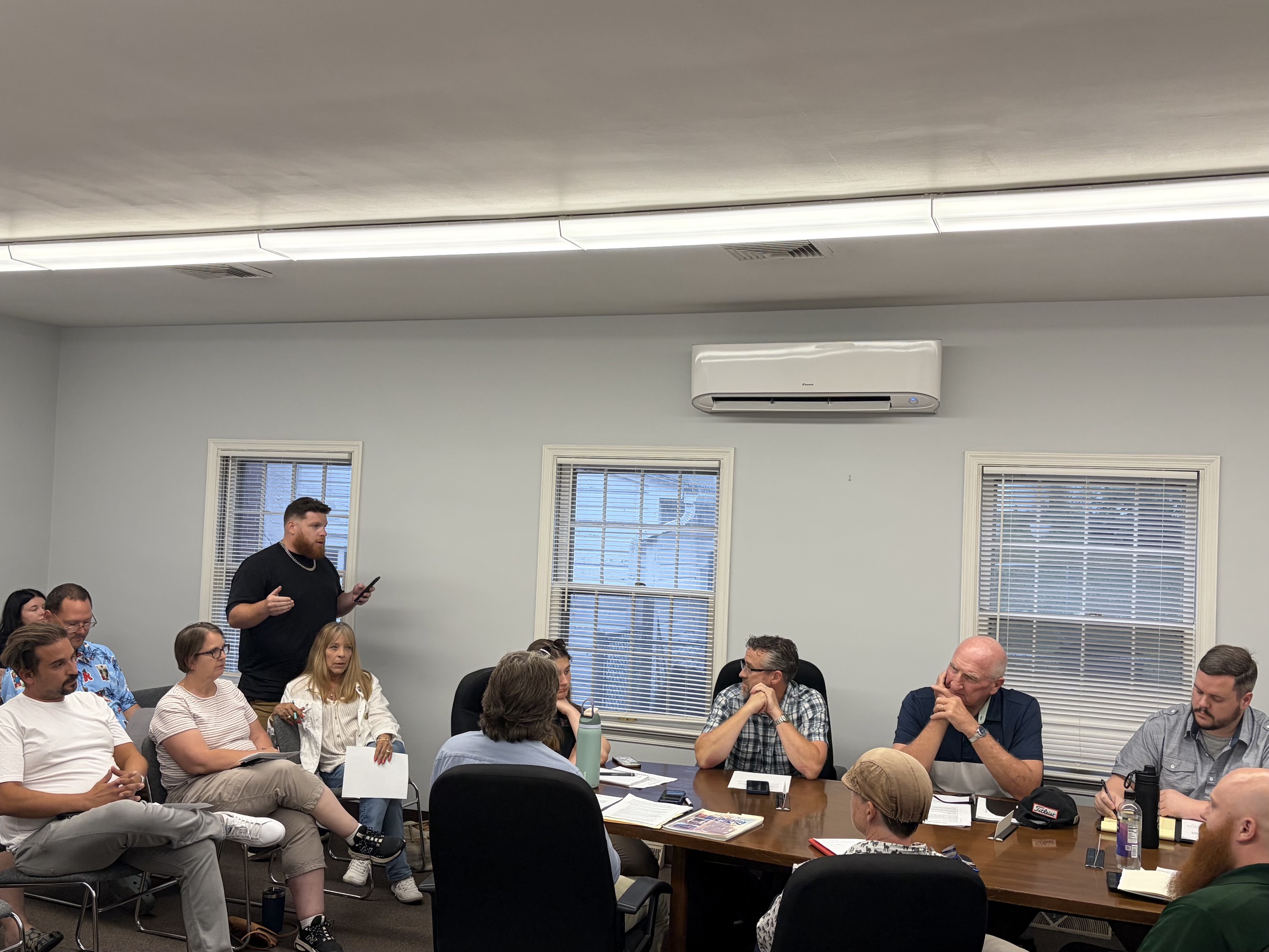
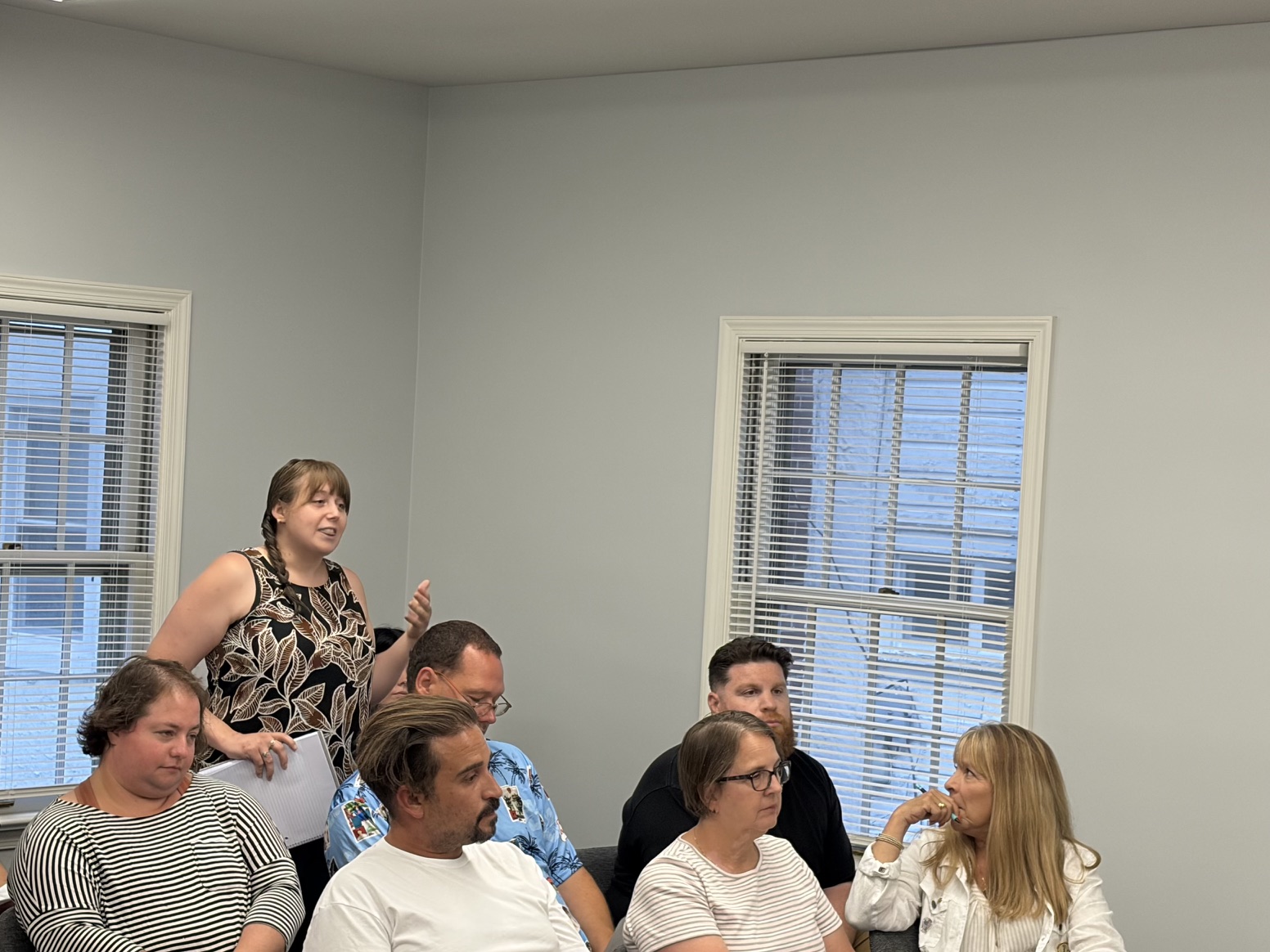
After residents delivered sharply divided testimony, Spring City Borough Council voted Monday to establish an environmental advisory council (EAC), creating a volunteer body that will research environmental issues and make recommendations to borough officials.
Spring City councilors approved an ordinance authorized under state statute that permits the borough to appoint between three and seven residents to the advisory body. Borough Solicitor Matt Hovey explained that the group has no direct authority to pass rules or regulations and can only make recommendations to bodies such as the planning commission, parks and recreation committee, and borough council.
Councilors had voted to draft the ordinance at their June meeting after the EAC proposal was introduced by Councilor Dylan Hutchinson.
Immediately after the vote, council appointed three members to staggered terms: Councilor Sara Woll to a one-year term, Hutchinson to a two-year term, and Spring City resident Sarah Grady to a three-year term. Hutchinson said the council would start with three members and expand toward the seven-member maximum through public postings.
Council voted 5-1 on both the establishment of the EAC and the following appointments, with Council President Don Shaner dissenting each time. Council Vice President Chris Yocum was not present at Monday’s meeting.
What the Council Would Do
Hutchinson said the advisory body's purpose is to help identify environmental problems and recommend conservation programs, not to regulate private property.
"The intention of an EAC is not to be an HOA," Hutchinson said. "We're not going to show up outside of people's properties and plant stuff. We're not going to tell people what they can and cannot plant."
He said his priorities include stormwater mitigation, a street tree and tree tender program, litter cleanups, downtown planters, and restoring the pollinator garden at the library. Hutchinson noted the Schuylkill River borders Spring City and said the borough's tree canopy is below the national average, adding that street trees would be planted only outside homes of residents who want them.
Hutchinson also cited data center opposition as a reason for the body, saying the EAC in neighboring East Vincent Township has recommended stronger environmental ordinances as the region faces data center development, including a proposal on the Pennhurst property.
Divided Public Comment
Residents offered opposing views during public comment at the beginning of Monday’s meeting. Lisa Scott of Pikeland Avenue supported the proposal, saying such a council researches information so officials can make informed decisions.
Grady, who was later appointed to the body, described herself as a certified horticulturist and said a tree program would be volunteer-run and fundraised at no cost to residents. Liesl Barkman, a native plant designer and certified arborist, said unaddressed stormwater and tree loss ultimately cost taxpayers through flooding and higher electricity bills.
Others opposed the measure. John Trego of Broad Street said government "is getting carried away with governance" and questioned how large borough operations should grow. Kevin Lebre, owner of PROformance Concrete Services, warned that additional environmental requirements could raise costs for contractors and homeowners in what he called a "blue-collar" town.
Gary Brown of Bridge Street, a former council member, spoke against the vote, arguing that "advisory is often just the first draft of mandatory" and that EAC recommendations can become ordinances over time. Several residents noted that volunteer groups could be organized to host educational sessions and environmental activities instead of forming an official government committee.
Council Support
Five councilors backed the EAC measure. Councilor Brandon Woll said he opposed government overreach but favored an informed government.
“I hope that a year from now, we'll all be looking at this conversation saying, ‘You know what? This was a great idea,’” Woll said, adding that the EAC should “listen to the residents if there are issues that come up” regarding the group’s efforts.
Councilor Matt Handley said the borough's small, tightly packed lots along the Schuylkill River reinforced the need for environmental attention.
“I think it's important that we be responsible, that we listen to expertise,” he said.
Mayor Adam Alberico raised questions about long-term liability for street tree roots damaging sidewalks. Hutchinson responded that selecting appropriately small tree species would reduce that risk and that specific tree ordinances could eventually be developed.
Hutchinson said all EAC meetings would be public and encouraged residents to attend. The body will select its own chair and vice chair at its first meeting, which has not yet been scheduled.