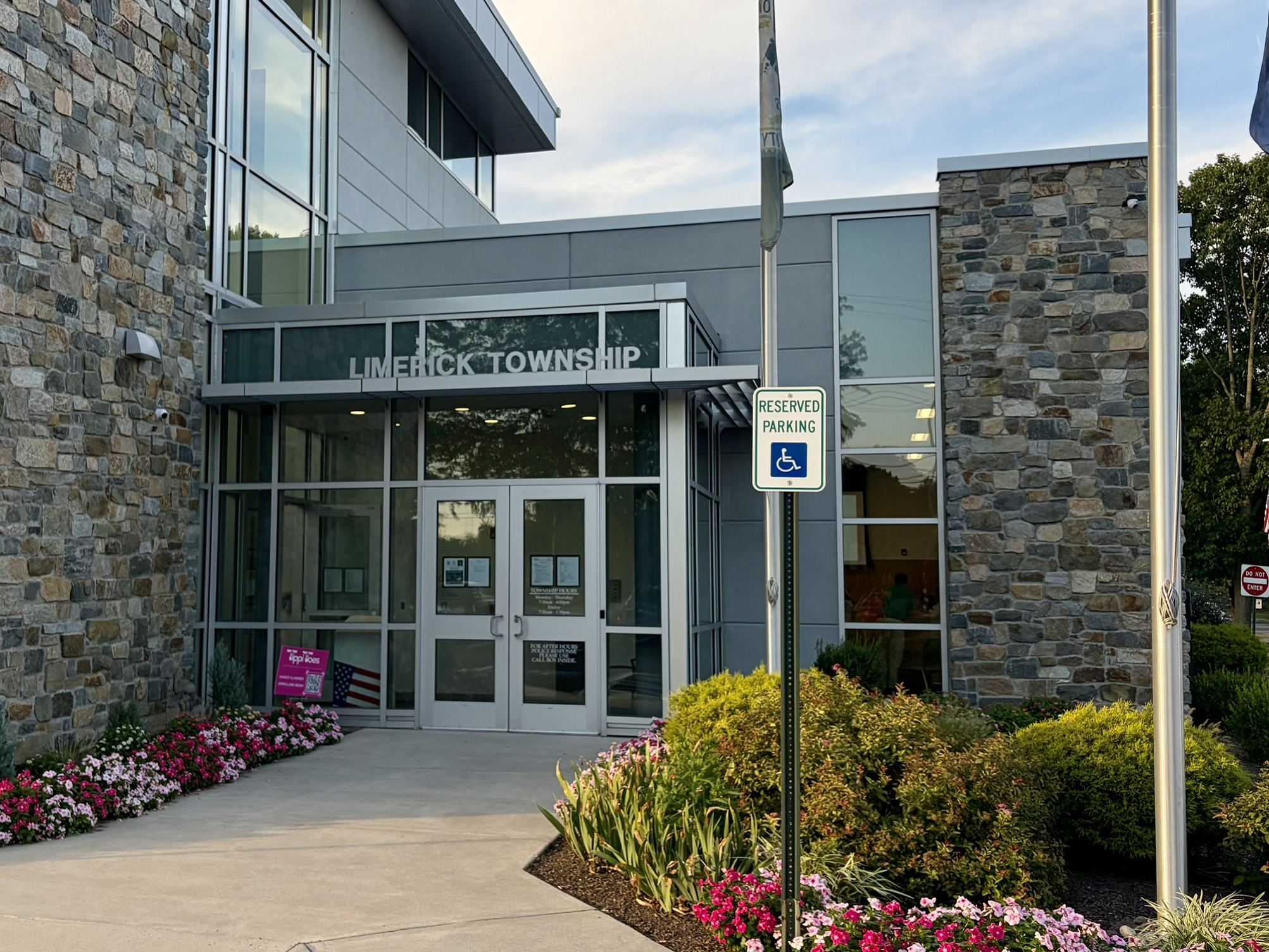
The October 27 conditional use hearing for MCD7, LLC's proposed data center campus in Limerick Township concluded testimony from the applicant's traffic engineer and introduced a new witness whose qualifications drew objections.
Traffic engineer Frank Tavani, who began testifying at the October 1 hearing, returned to answer additional questions about his study of the proposed eight-building development near the Limerick Generating Station and Philadelphia Premium Outlets.
Tavani defended his analysis, maintaining that the project would not significantly worsen traffic conditions or create substantial safety hazards.
Attorneys, residents, and township supervisors continued to question the study's reliance on older traffic data, the absence of weekend traffic projections, and its compliance with the township's updated traffic ordinance.
Tavani acknowledged that his report omitted certain items required by the updated ordinance but maintained that those omissions would not materially change the study's conclusions. Questions also remained about whether the applicant's parking study satisfied township requirements.
New Witness Faces Questions About Qualifications
Following Tavani's testimony, the applicant's attorney, Ed Campbell, introduced Benjamin Mueller, a principal with Ostergaard Acoustic Associates, to testify about noise and vibration associated with the proposed development.
Mueller described approximately 27 years of experience in acoustical engineering, including work on data center projects. He holds professional engineering licenses in New Jersey and Oregon but is not licensed in Pennsylvania.
Township attorney Mike Furey questioned Mueller about his credentials, experience with data centers, and the supporting data behind his firm's acoustical report.
Mueller confirmed that his firm had not provided the underlying acoustical data referenced in its report. He also acknowledged that the firm had not performed a quantitative vibration analysis, instead relying on a qualitative assessment.
Furey and other participating attorneys and residents objected to recognizing Mueller as an expert, while Campbell argued that his professional experience and education established his qualifications.
Following a brief executive session, the board of supervisors voted to recognize Mueller as an expert in noise and vibration engineering.
The applicant agreed to provide additional supporting acoustical data before the next hearing, allowing the other parties time to review the material before further testimony.
The hearing was continued to Tuesday, November 24, at 6:30 p.m., with additional sessions scheduled for December 8 and December 22.