Published Jun 1, 2026 at 8:52 PM EDT (Updated Jun 30, 2026 at 1:23 PM EDT)
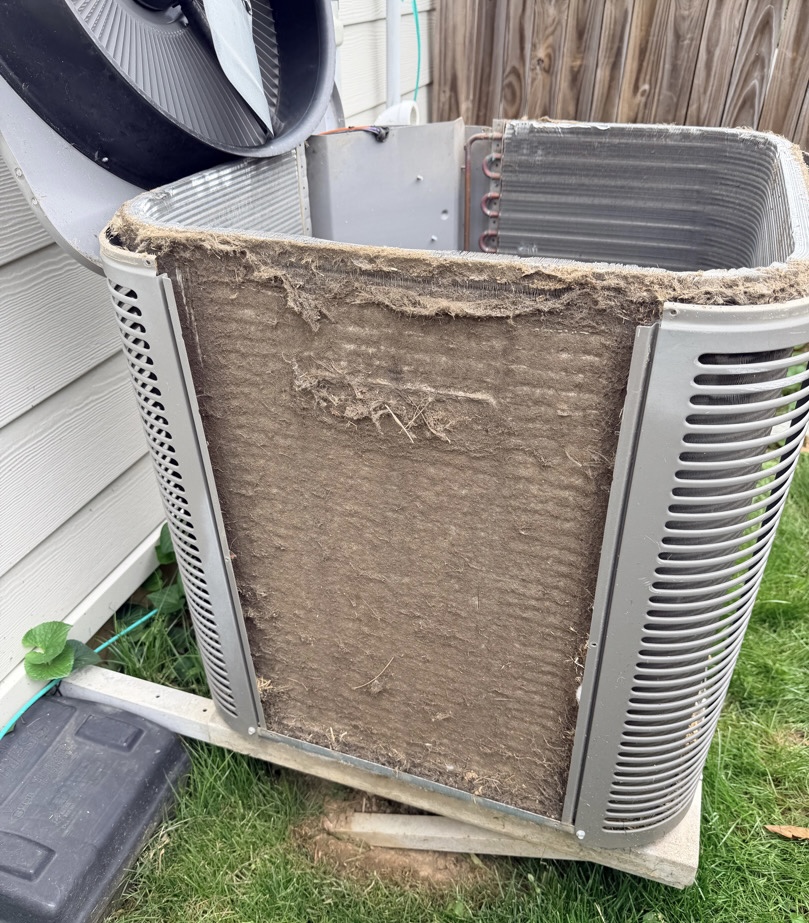
A dirty condenser coil can force an air conditioner to work harder during Pennsylvania heat waves, reducing efficiency and increasing wear on critical components. Photo: Rapid Air HVAC
If you’ve lived in the Spring-Ford area long enough, you know there’s a major difference between an 85-degree dry day and an 85-degree humid Pennsylvania day.
One feels warm.
The other feels like walking through soup.
Every summer, homeowners throughout Limerick, Phoenixville, Collegeville, and Pottstown start noticing the same frustrating problems:
“Why won’t my house cool down?”
“Why does it feel sticky inside?”
“Why is my upstairs roasting?”
“Why is my AC running nonstop?”
“Why did my electric bill suddenly explode?”
The reality is that Pennsylvania summers place a tremendous amount of stress on residential air conditioning systems — especially in older homes throughout Montgomery and Chester County. Humidity levels in southeastern Pennsylvania regularly climb into the mid-70 percent range during summer months, dramatically increasing how hard AC systems must work to maintain comfort.
And locally, we’re relying on air conditioning more than ever before. Studies tracking cooling demand in the Spring-Ford region show residents now need air conditioning significantly more days per year than previous decades.
At Rapid Air HVAC, summer service calls spike every year once the first real heat wave arrives. Whether it’s neighborhoods near the Philadelphia Premium Outlets, homes along Route 724, developments surrounding Route 422, or older brick twins near downtown Pottstown, many homeowners experience the exact same issues once humidity ramps up.
Here are four of the most common air conditioning problems we see during humid Pennsylvania summers — and what homeowners can do to improve comfort before small issues turn into major repairs.
1. The AC Runs All Day But the House Still Feels Humid
This is probably the single most common complaint homeowners have during July and August.
The thermostat says 72 degrees.
But the house still feels damp, sticky, or uncomfortable.
Many homeowners immediately assume they need refrigerant or an entirely new system. Sometimes that’s true — but very often the real problem is airflow and humidity management.
Your air conditioner doesn’t just cool the air. It also removes moisture from your home. When humidity spikes, your system has to work much harder because it’s fighting both heat and moisture at the same time.
This becomes especially challenging in:
Older homes with limited insulation
Finished attic spaces
Homes with additions
Two-story colonials
Houses with undersized ductwork
Properties with poor return air design
We regularly see this issue in neighborhoods throughout the Spring-Ford area where homes have been renovated multiple times over the years, but the HVAC system was never fully redesigned for modern cooling demands.
Common Causes Include:
Dirty air filters
Leaky ductwork
Oversized AC systems short cycling
Weak airflow
Dirty indoor coils
Older single-stage systems
Poor attic ventilation
Inadequate return air
What Homeowners Can Do
The good news is many homes can be significantly improved without fully replacing the HVAC system.
Some of the most effective upgrades include:
Adding return air upstairs
Enlarging undersized returns
Installing variable-speed blowers
Sealing duct leakage
Adding zoning systems
Improving attic insulation
Installing whole-home dehumidifiers
In many homes, strategic airflow improvements make a dramatic difference during extreme humidity.
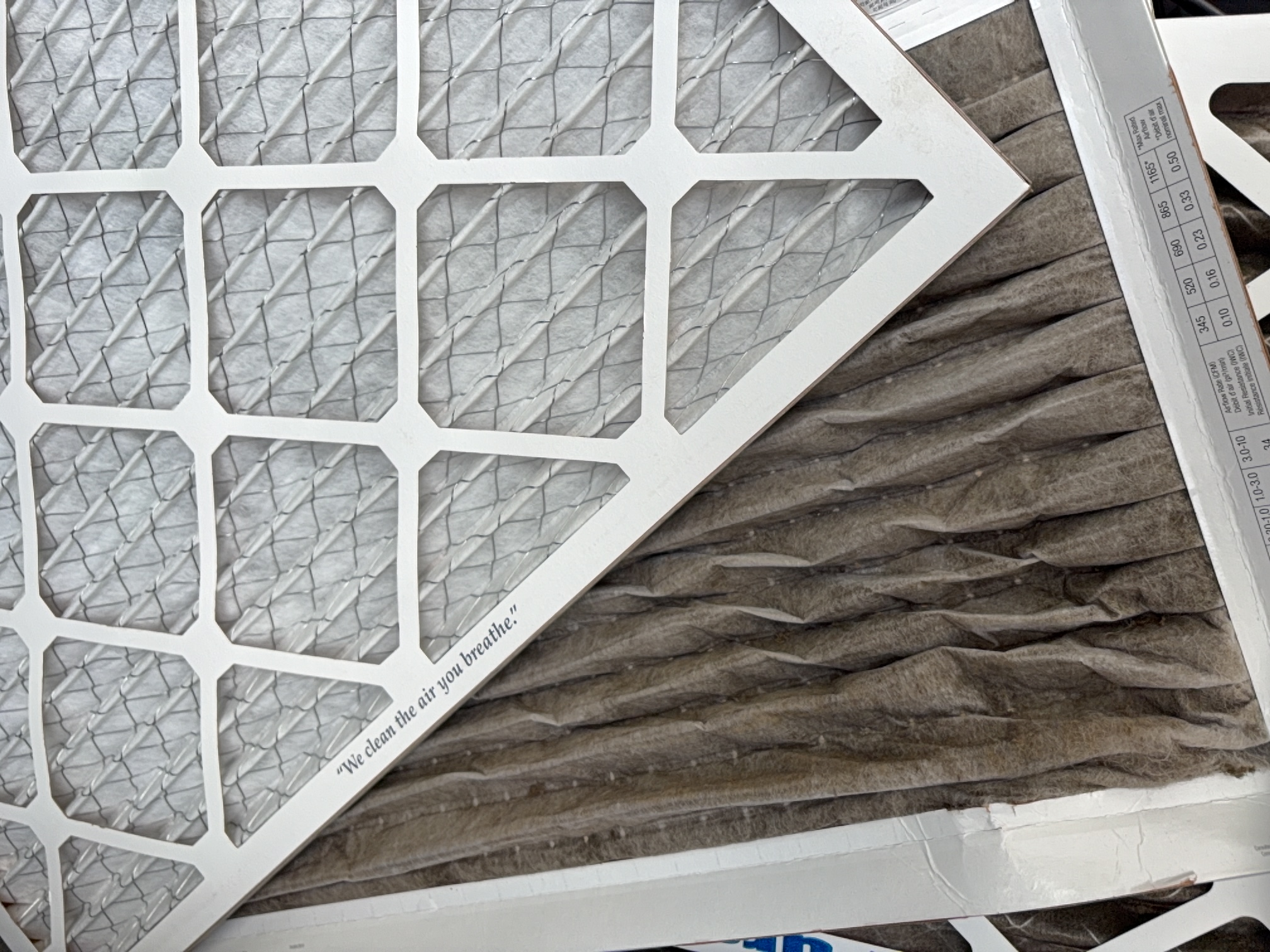
Dirty air filters are one of the most common causes of restricted airflow, which can contribute to poor cooling performance and even frozen evaporator coils during humid summer weather. - Photo: Rapid Air HVAC
2. Frozen Air Conditioning Coils During Heat Waves
One of the most surprising things homeowners learn is that air conditioners can actually freeze during the hottest days of summer.
Every year during heat waves, we respond to calls throughout the Pottstown and Royersford region where homeowners report:
Weak airflow
Warm air from vents
Water around the furnace
Ice on refrigerant lines
What’s happening?
When airflow becomes restricted or refrigerant levels are abnormal, the indoor coil temperature can drop below freezing. Moisture from the humid air then turns into ice, eventually blocking airflow almost entirely.
Once that happens, the system enters a vicious cycle:
less airflow → more ice → even less airflow → total cooling failure.
The Most Common Causes
Dirty filters
Closed vents
Blocked returns
Refrigerant leaks
Dirty evaporator coils
Weak blower motors
During humid Pennsylvania weather, even minor airflow problems can quickly become major cooling issues because the system is processing such large amounts of moisture from the air.
Why This Happens More in Southeastern PA
Homes throughout the Schuylkill River corridor deal with intense summer humidity combined with older housing stock and aging HVAC systems. That combination creates perfect conditions for freeze-ups.
Many homeowners first notice the issue after several days of nonstop AC operation during a heat wave.
Ways to Prevent Freeze-Ups
Change filters regularly
Keep supply vents open
Have coils cleaned
Test airflow during maintenance
Address weak airflow early
Verify proper refrigerant charge
Variable-speed systems can also help dramatically because they maintain more stable airflow and humidity removal during long summer run cycles.
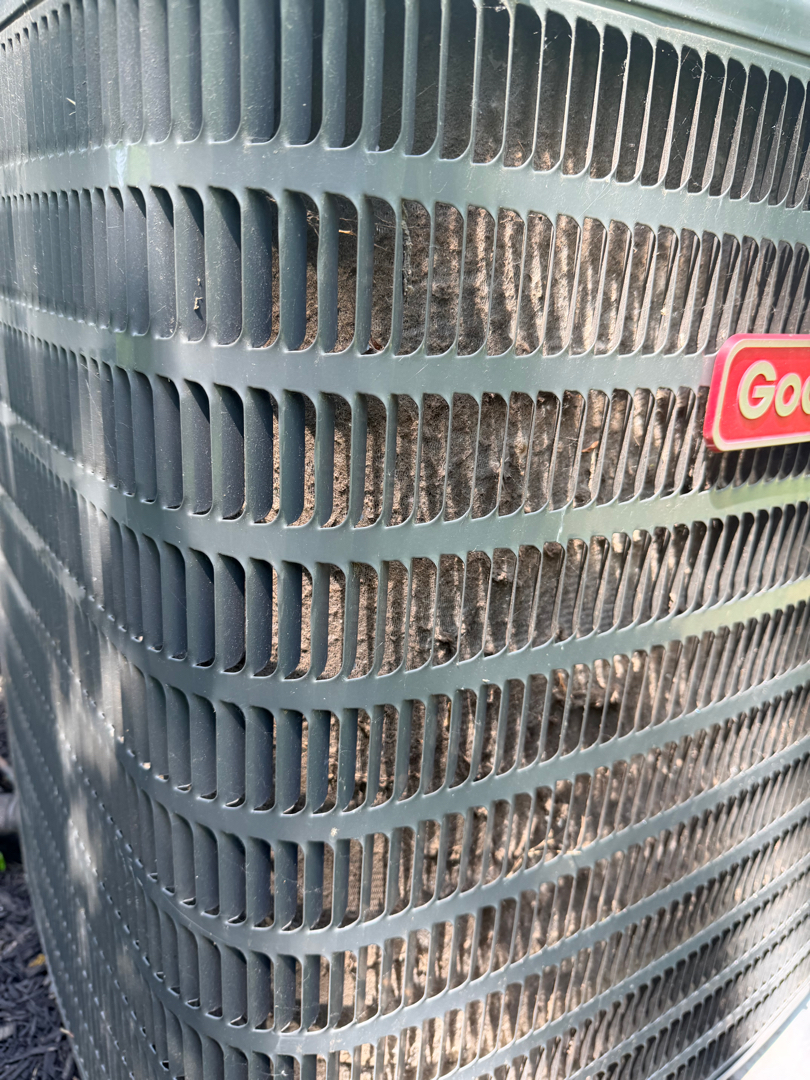
Keeping outdoor units free of debris helps improve airflow and reduce strain on air conditioning systems during periods of extreme heat and humidity. - Photo: Rapid Air HVAC
3. AC Capacitors Failing During Extreme Heat
One of the biggest “first heat wave” breakdowns we see every year is failed capacitors.
The capacitor is a small electrical component that helps start and run the motors in your outdoor air conditioning system.
During extreme heat and humidity, air conditioners run far longer than normal. That extended runtime puts enormous stress on electrical components.
This is especially common in:
Older systems
Systems with dirty coils
Units in direct sun
Systems already struggling with airflow
We commonly see this issue in heavily developed neighborhoods throughout the Route 422 corridor where radiant heat from pavement, rooftops, and dense development keeps outdoor temperatures elevated well into the evening.
Signs of a Bad Capacitor
Outdoor unit humming but not starting
Warm air inside
AC randomly shutting off
System struggling during the hottest part of day
Many homeowners are surprised that a relatively inexpensive part can suddenly shut down an entire cooling system.
Ways to Reduce Heat Stress
While capacitors naturally wear over time, several things can help extend equipment life:
Annual coil cleaning
Proper refrigerant charging
Surge protection
Keeping vegetation clear
Improving indoor airflow
Preventive maintenance before summer
A neglected system operating during a humid Pennsylvania heat wave is under enormous strain.
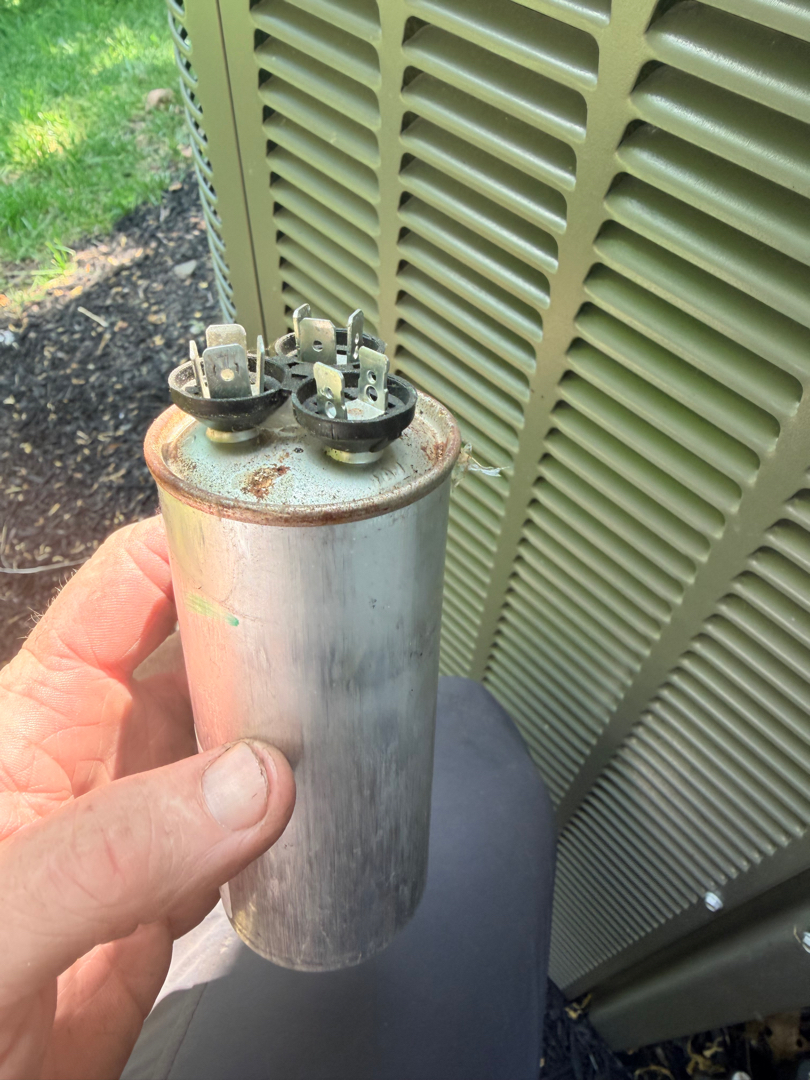
Failed capacitors are a common cause of summer AC breakdowns, particularly during the first major heat waves when cooling systems are running longer than usual. - Photo: Rapid Air HVAC
4. Water Leaks and Condensate Drain Problems
Humidity means water.
A lot of it.
Most homeowners don’t realize their air conditioning system can remove gallons of moisture from the air every day during humid weather.
That water drains through the condensate system attached to your indoor equipment. But when those drains clog with algae, buildup, or debris, problems develop quickly.
Common Symptoms
Water around the furnace
Musty smells
AC suddenly shutting off
Ceiling stains
Overflowing drain pans
We often see these issues in attic systems, finished basements, and older homes throughout the Spring-Ford region where drainage systems may already be aging or partially obstructed.
Helpful Upgrades
Several inexpensive upgrades can help prevent major water damage:
Condensate safety switches
Drain cleanout ports
Whole-home dehumidifiers
Regular maintenance flushing
Improved drainage design
Preventive maintenance becomes especially important during humid Pennsylvania summers because systems are producing far more condensation than homeowners realize.
Pennsylvania Summers Are Getting Tougher on HVAC Systems
Air conditioners throughout southeastern Pennsylvania are simply working harder than they used to.
Between rising temperatures, increasing cooling demand, dense humidity, and aging housing stock, many systems are operating near their limits during peak summer weather.
The good news is many comfort problems can be improved with:
Airflow modifications
Duct upgrades
Humidity control
Insulation improvements
Better filtration
Strategic equipment upgrades
Not every uncomfortable home automatically needs a complete HVAC replacement.
Sometimes solving the real issue means improving how the system delivers and removes air throughout the home.
At Rapid Air HVAC, we work with homeowners throughout the Spring-Ford region to diagnose why systems struggle during humid weather and help improve comfort with practical, honest solutions designed for real Pennsylvania summers. Learn more here: https://rapidairhvac.com/ac-repair-in-pottstown-pa/