It can be 80 degrees along the Route 422 corridor in September and October — and cold enough to need heat just a few weeks later.
So why should homeowners in Limerick, Collegeville, Royersford and the surrounding Spring-Ford area think about their heating systems while air conditioners are still running?
Because southeast Pennsylvania rarely gives us a predictable transition between seasons. One week, upstairs bedrooms are too hot. The next, you wake up to a 40-degree morning and turn on the heat for the first time in months.
That first frosty, cold morning is when many homeowners discover their furnace will not ignite, their boiler is running but certain rooms remain cold, or their heat pump is blowing air without warming the house.
Instead of waiting for the first cold morning to reveal a problem, Rapid Air HVAC recommends making sure your system is ready now.
Why Do Local Homes Have Such Different Heating Problems?
The Route 422 corridor has a wide variety of homes. There are older houses in established neighborhoods, newer construction, townhomes, large developments, additions, finished basements, and converted third floors.
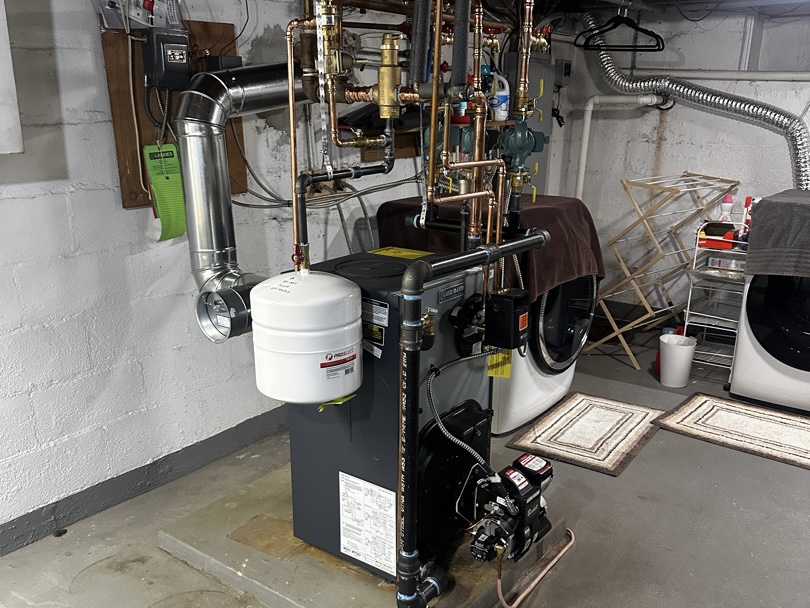
Some homes are heated by natural-gas furnaces. Others have boilers with radiators or baseboard heat. Many newer homes — and an increasing number of recently renovated homes — use electric heat pumps.
Each system can experience different problems when heating season begins.
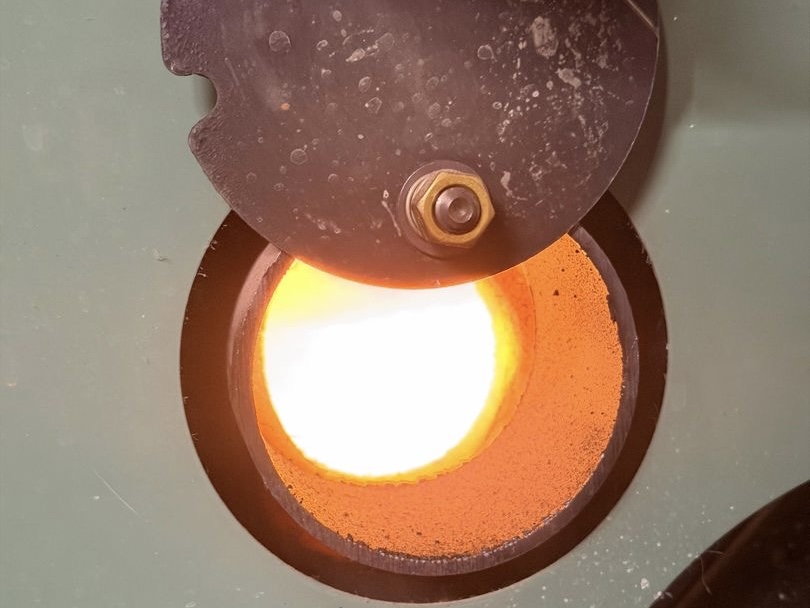
A furnace depends on its igniter, flame sensor, burners, motors, and safety controls. A boiler needs proper water pressure, functioning pumps, and working zone valves to deliver heat throughout the house. A heat pump must reverse its summer operation, draw heat from the outdoor air, and transfer it inside.
A system that worked in April is not guaranteed to start normally in October. Components can become dirty, sticky, or weak during months of limited use. Thermostat batteries can fail. Filters can become restricted. Outside vents can become blocked. An electrical component that was barely functioning last spring may finally stop working when the heat is turned on again.
Why Do Heat Pumps Need Special Attention Before Winter?
Heat pumps are becoming increasingly common in Limerick, Collegeville, and other growing communities along the Route 422 corridor. They provide both cooling and heating, but heating mode places different demands on the equipment.
Unlike a gas furnace, a heat pump usually does not produce a short blast of extremely hot air. It delivers steadier, more moderate heat and often runs for longer periods. That can be completely normal.
However, air that never warms, continuous operation without maintaining the thermostat setting, unusual outdoor-unit noises, or frequent use of auxiliary heat can indicate a problem.
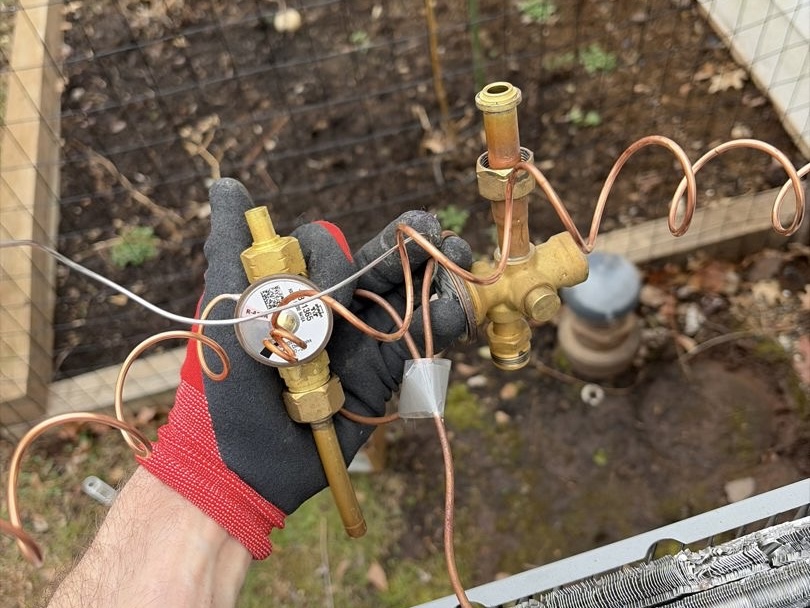
A heat pump relies on its reversing valve, refrigerant circuit, sensors, outdoor coil, defrost system, and controls. During colder weather, it may also use electric auxiliary heat to supplement its output. If the heat pump is not operating correctly, those electric heating elements may run more than necessary, potentially causing a noticeable increase in the homeowner’s PECO bill.
Why wait for a high electric bill — or a cold house — to learn that the heat pump was not doing most of the heating?
A fall evaluation can confirm that the system changes properly from cooling to heating, produces an appropriate temperature change, and communicates correctly with the thermostat. It can also identify airflow or control problems that may cause unnecessary auxiliary-heat operation.
Homeowners should also understand the difference between “auxiliary heat” and “emergency heat.” Auxiliary heat can activate automatically when the heat pump needs assistance. Emergency heat is generally intended for situations when the heat-pump portion of the system is not working and should not be selected as a routine setting.
Why Does the First Cold Spell Cause So Many Service Calls?
During the first sustained cold weather, thousands of heating systems across Montgomery and Chester counties begin running at nearly the same time.
That is when dirty flame sensors cause furnaces to shut down, aging igniters fail, boiler pumps stop circulating water, and heat-pump problems become noticeable. HVAC companies suddenly receive a rush of “no heat” calls.
The timing is important because homeowners may face longer waits for service, limited availability of certain parts, and pressure to make quick decisions. If an older system needs a major repair or replacement, it is difficult to carefully consider the options while the temperature inside the house continues to fall.
Identifying the same problem during milder weather gives the homeowner time to understand what failed, compare repair and replacement costs, and choose the most practical solution.
Why Pay Attention If the System Still Runs?
Heating equipment often provides warnings before it stops completely. Limerick and Collegeville area homeowners should pay attention to:
- Banging, buzzing, grinding, or rattling
- Weak airflow from supply vents
- Rooms that are consistently colder than the rest of the house
- A furnace or heat pump starting and stopping repeatedly
- A heat pump that frequently displays “Aux Heat”
- Radiators or baseboards that do not heat evenly
- A boiler that repeatedly loses pressure
- Persistent burning, electrical, gas, or exhaust odors
- Water around the indoor equipment
- An unexpected increase in gas or electric usage
Why do these symptoms matter? Because a small operating problem can place additional strain on the entire system. Restricted airflow can overheat a furnace. A malfunctioning heat pump can rely too heavily on costly electric backup heat. A circulation problem can leave an entire boiler zone cold.
None of these symptoms automatically means the system must be replaced. The answer could be maintenance, a repair, a control adjustment, or an airflow correction. The key step is determining why it's happening.
Why Schedule a Heating Check While It’s Still Warm?
Because right now, you have choices.
You can schedule a convenient appointment. You have time to obtain a needed part. You can consider your options without making an emergency decision. You can also confirm that fuel-burning equipment is operating and venting safely before it begins running every day.
Want a furnace repair instead of a replacement? Now is the time.
No maintenance visit can guarantee that mechanical equipment will never fail. But discovering a worn component, safety concern, or heat-pump problem in September or October is far better than discovering it during the first freezing night in November.
The weather along Route 422 will eventually turn cold.
The real question is: Why wait until it does to find out whether your heat works?
Rapid Air HVAC serves Limerick, Collegeville, Royersford, Trappe, and the surrounding communities. If you want to know whether your furnace, boiler, or heat pump is ready for colder weather, contact Rapid Air HVAC to schedule a fall heating inspection.
For fast service, call 484-763-2704 or visit RapidAirHVAC.com.