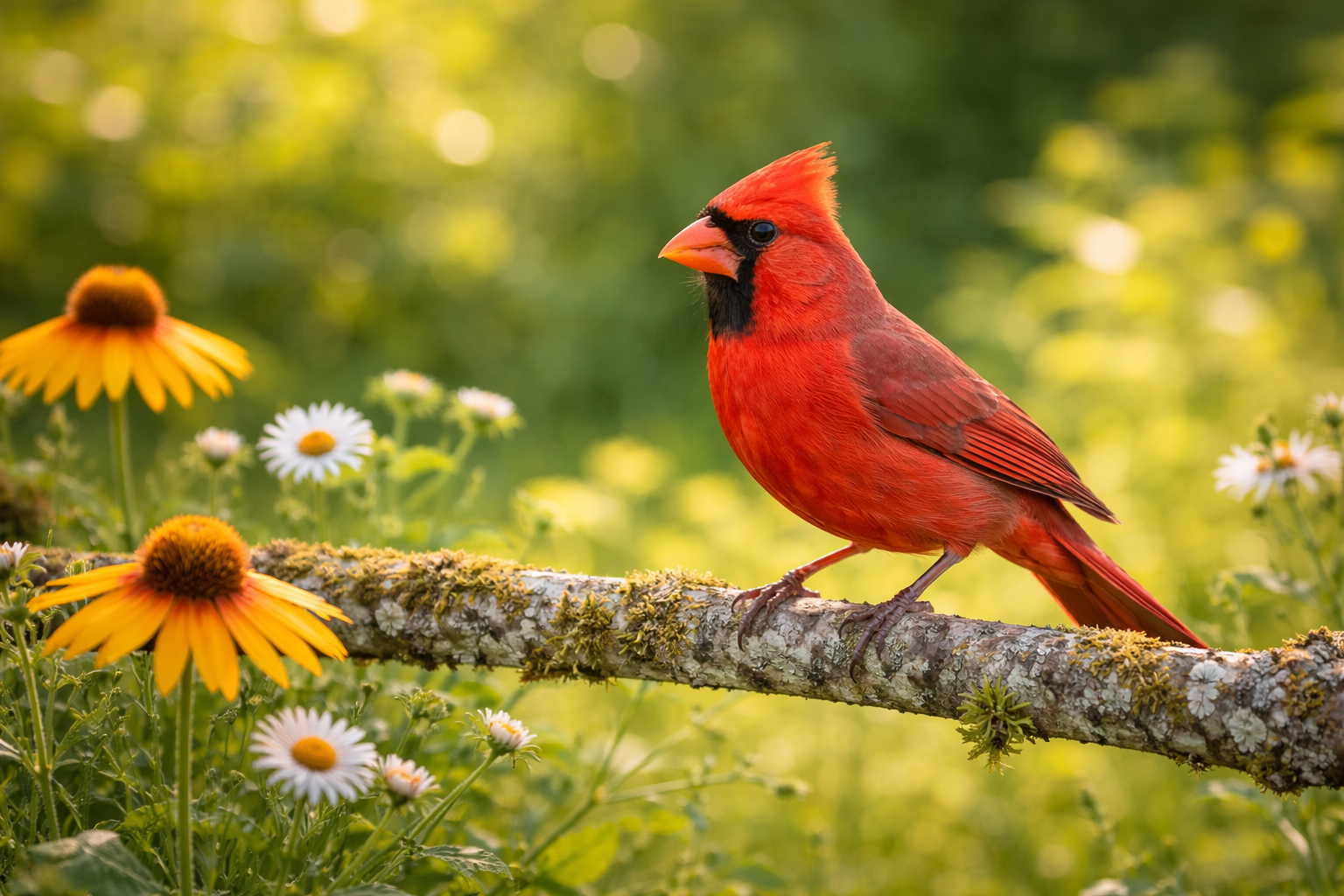
Upper Providence Township’s Parks and Recreation Board has begun exploring how the township can build on its recent recognition as a Bird Town Pennsylvania municipality.
Bird Town Pennsylvania collaborates with municipalities and local organizations to support community-driven conservation efforts aimed at improving the environment for birds, wildlife, and residents.
During the board’s March 11 meeting, members reviewed information from a recent Bird Town workshop and discussed possible ways the township could support bird habitat in its parks and open spaces.
While the workshop provided extensive information, Parks and Recreation members discussed identifying realistic steps the township can take during the program’s first year.
Workshop Highlights Habitat Needs
During the meeting, board members Joe Faraci and Maria Jones-Sadler shared highlights from the Bird Town workshop, which was held virtually.
The session featured a presentation by Certified Senior Ecologist and Wildlife Biologist Michael McGraw, who explained how ecological systems support bird populations. Healthy habitats, he said, rely on connections between plants, insects, and other natural food sources that sustain birds and wildlife.
The presentation also covered topics such as soil health, habitat conditions, bird migration patterns, and common hazards birds face.
Township Locations Considered
Following the presentation recap, the board discussed how Bird Town concepts might be applied locally and began identifying potential locations in Upper Providence where bird habitat efforts could take place.
Rather than focus on a single site, members discussed the possibility of establishing smaller habitat areas across multiple locations. Possible sites included Anderson Farm Park, which already has bluebird nesting boxes, and Mont Clare due to the availability of open land.
However, deer populations in some areas frequently damage vegetation, which can make establishing native plants more difficult and may require protective measures like fencing.
Next Steps for the Township
The next phase of the effort will focus on understanding the program’s requirements. A review of Bird Town guidelines is expected to help identify specific steps the township can take over the coming months, along with outreach to Bird Town representatives for additional guidance.
Members also discussed ways the broader community could become involved, including volunteer opportunities, educational programs, and outreach to local bird-related businesses or organizations.
As planning continues, the board discussed building a program that fits Upper Providence’s parks and natural spaces while expanding bird-friendly habitat efforts over time.