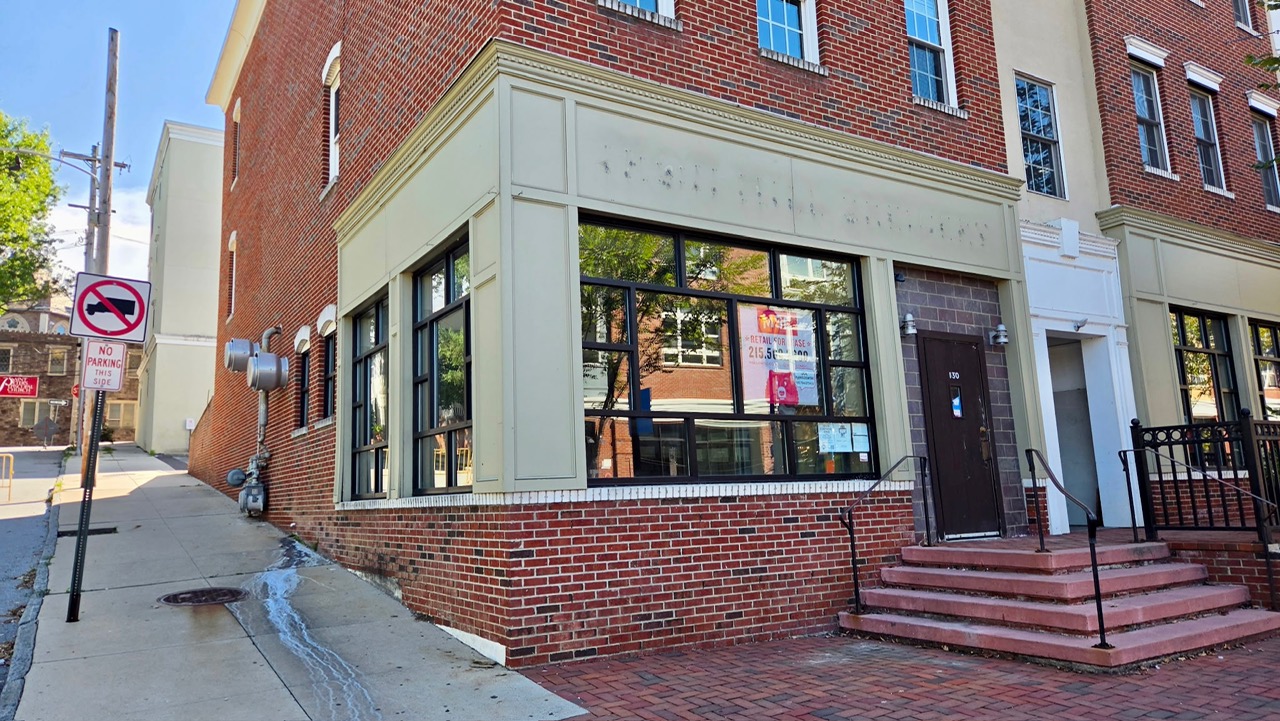
A proposed honky-tonk restaurant on Bridge Street hit a roadblock last week when Phoenixville Borough Council tabled its liquor-license transfer application after questioning whether the prospective operators had sufficient documentation showing they would ultimately receive the license.
The business is proposed for the former Iron Hill Brewery location at 130 Bridge Street.
The liquor license, R-14862, was purchased through a Pennsylvania Liquor Control Board auction and is being transferred from Sullivan County to Phoenixville. The borough received the company’s transfer request July 21 and extended its review period by 60 days.
But by the end of the September 8 hearing, questions remained about the chain of ownership and the agreement transferring the license to Phoenixville Honky Tonk, LLC.
Sean Dougherty, one of the prospective restaurant’s partners, told council that the property’s landlords purchased the liquor license at a state auction after agreeing to procure one as part of the lease arrangement. Dougherty said the landlords planned to transfer the license to Phoenixville Honky Tonk.
That agreement, however, had not been presented to council or entered into the record.
Attorney Francis X. O’Brien, representing the company, acknowledged that the license remains in someone else’s name and said his clients had not identified the current license holder. Borough Solicitor Scott Denlinger questioned whether the council had enough information to establish that the license would ultimately be transferred to Phoenixville Honky Tonk.
With no members of the public requesting party status and no public comments during the hearing, council ended the proceeding by tabling the application. The motion passed with six in favor, none opposed, and one abstention.
A Country Bar with a Family Focus
If approved, Phoenixville Honky Tonk would bring a different concept to the Bridge Street restaurant scene.
Dougherty told council that he has about 20 years of experience in the food and beverage industry and operates restaurants and entertainment venues along the Jersey Shore, including Wildwood's Honky Tonk Saloon.
The Phoenixville concept would be built around live entertainment, like karaoke and line dancing. A family-friendly arcade with games including air hockey, basketball, and skee-ball is also planned.
Dougherty described the operation as “family-first,” saying the business would not be focused on keeping customers at the bar into the early morning hours. The proposed restaurant would be open seven days a week, generally from 11 a.m. until at least midnight.
The proposed occupancy is approximately 150 people inside, with another 40 to 50 people on the patio.
Noise, Crowds, and Downtown Concerns
Council members questioned how a music venue would fit into a downtown building with a residential component.
Council President Jonathan Ewald raised concerns about the potential impact of live music on the apartments above the restaurant, saying significant insulation may be necessary to protect upstairs residents.
Dougherty said the business plans to install sound-buffering materials on the walls and ceiling and work with a sound professional. The operators also said they would keep doors closed during indoor performances and comply with local noise requirements.
The proposed business would also operate next to Heartwood Park, an area council members described as popular with families and children during Bridge Street closures.
Dougherty said the restaurant could transition to a 21-and-over operation later at night. He said employees would receive alcohol-service training and that the company uses identification scanners at existing establishments to help prevent underage drinking.
A council member also asked about pedestrian safety given speeding concerns on nearby Prospect Street. Dougherty acknowledged that the business did not yet have a specific plan for managing pedestrian traffic.
Next Step Remains Unclear
The operators told council they are ready to move forward with the concept, but the liquor license remains the immediate obstacle.
The business must first obtain borough approval for the license to be transferred into the municipality before proceeding with the state Liquor Control Board process, according to O’Brien.
The council did not identify a new hearing date or a specific deadline for the applicants to provide the additional documentation.
For now, the proposed honky-tonk’s liquor-license application remains unresolved while the applicants address the documentation questions raised by council.