Before Pennsylvania politics, State Rep. Michael Stender worked as a career firefighter in Harrisburg. About 15 years ago, concerned about the cancer risks associated with the profession, he asked his primary care provider a simple question.
"I basically said, 'Hey, I want to go be tested for cancer,'" Stender recalled during a Pennsylvania House committee meeting Wednesday.
The answer surprised him. Despite his years of service as a firefighter, Stender said he was told there was no medical indication for cancer screening.
That experience helped frame discussion as the House Veterans Affairs and Emergency Preparedness Committee voted unanimously to advance House Bill 2394, legislation that would help professional and volunteer firefighters across Pennsylvania access recurring cancer screenings by covering out-of-pocket costs not paid by insurance.
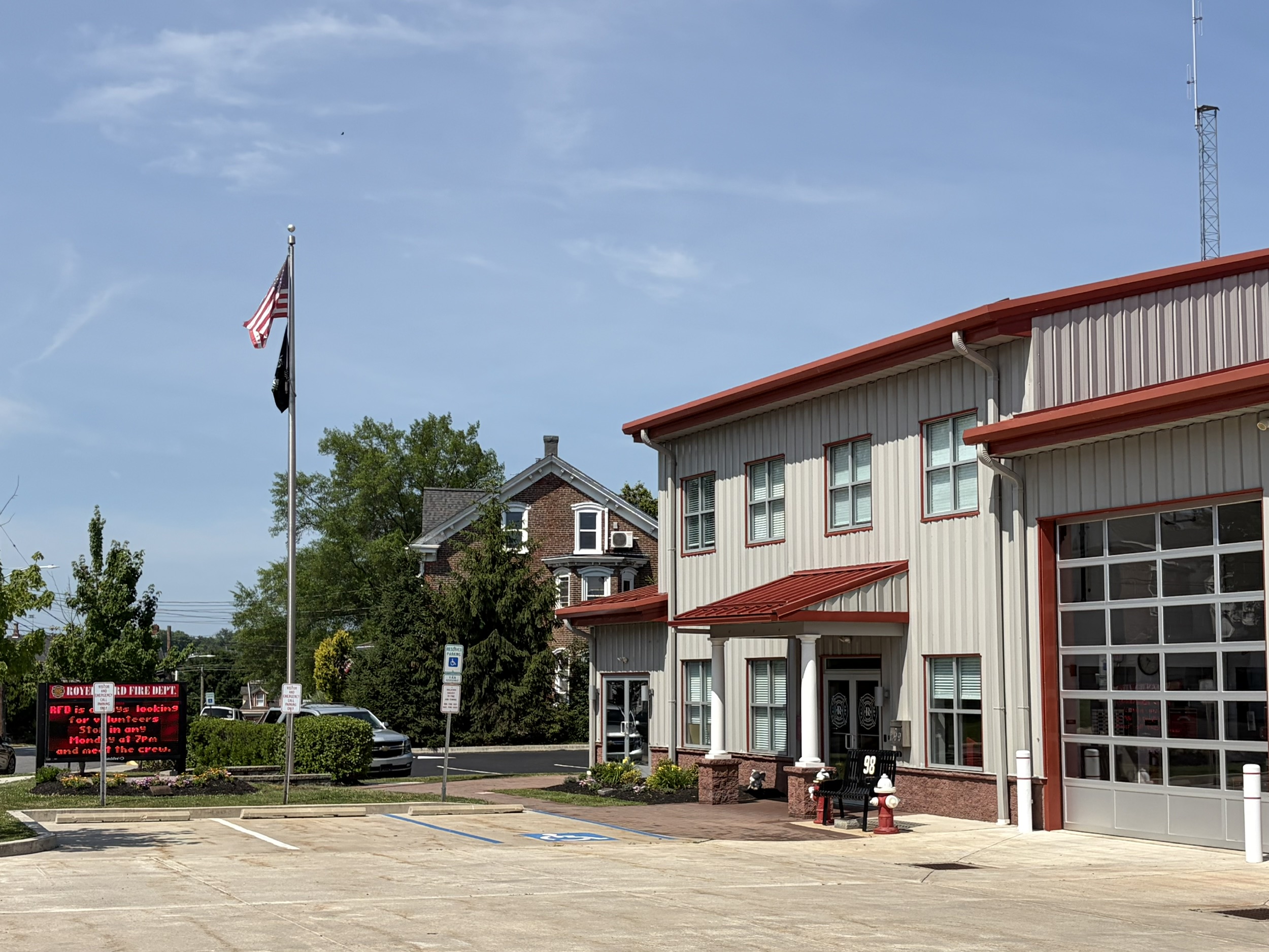
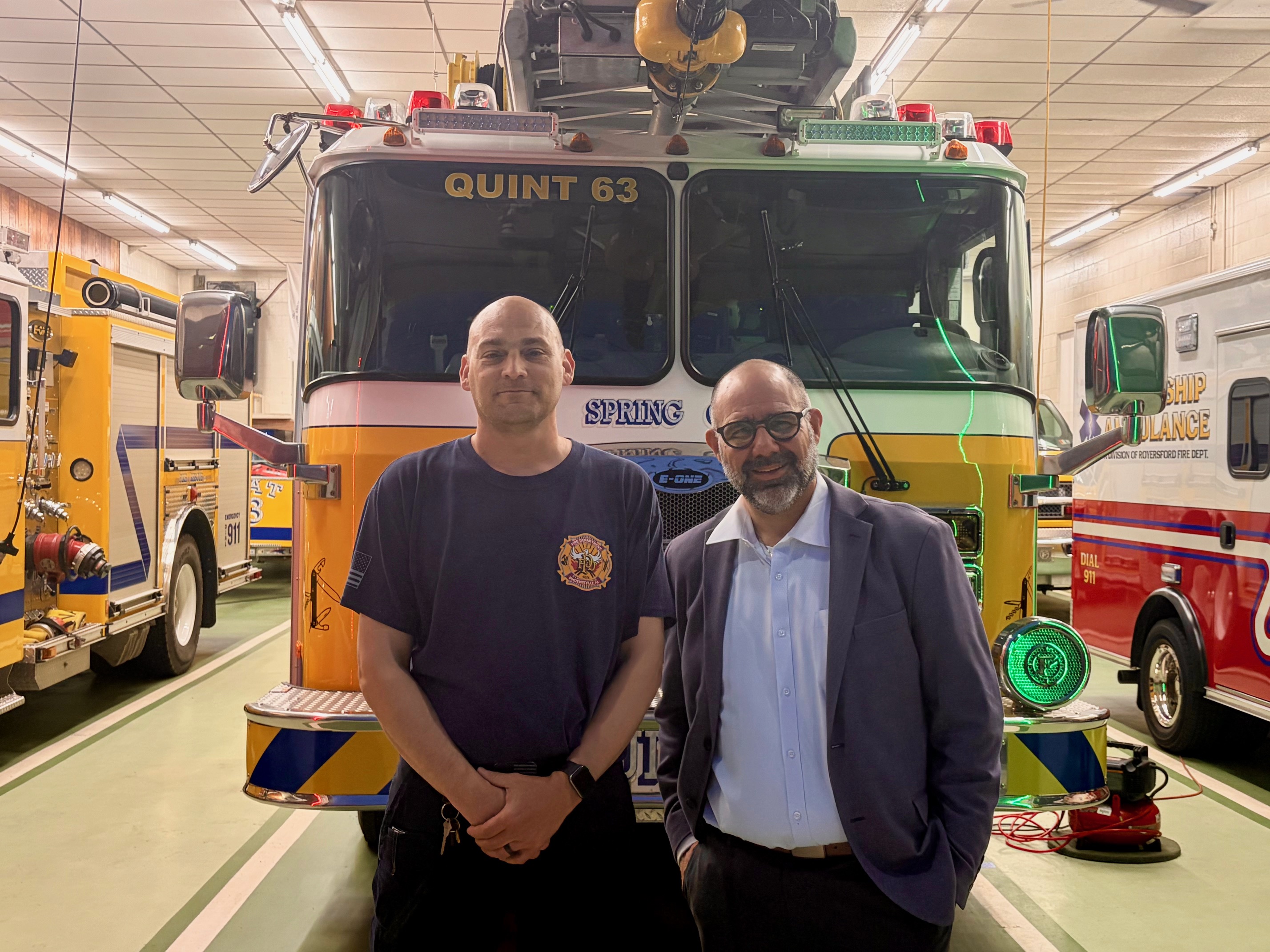
The bill was conceptualized by Spring-Ford area leaders – Royersford Fire Chief Kevin Kerwin and Spring City Mayor Adam Alberico – and introduced by State Rep. Joe Ciresi, whose district includes Royersford and Limerick.
"I know that most career firemen who serve 20, 25 years typically do not live five years past their service," Stender said. "The numbers are staggering of the firemen who pass away with cancer."
The committee approved the bill following a discussion marked by broad bipartisan support and personal testimony from lawmakers with direct ties to the fire service.
Committee Members Voice Support
Democrats who spoke in favor of the bill included Rep. Lisa Borowski, Rep. Chris Pielli, and Rep. Greg Scott.
Borowski, a breast cancer survivor, pledged her full support and highlighted the importance of preventative care.
"If we can catch disease early, we can treat people early — when it is most effective," Borowski said. "It can save lives and also be less costly."
Pielli attended the meeting despite a broken leg, citing a deeply personal stake in the issue. His father and uncle, both New York City firefighters, died from lung-related illnesses.
"I wish they were here today to see this," Pielli said. "The threat to our firemen, both professional and volunteer, is real when it comes to lung disease in general."
Scott, a volunteer firefighter himself, noted that occupational cancer has overtaken cardiac arrest as the leading cause of line-of-duty deaths among firefighters, a shift he attributed to the increasing use of synthetic materials in modern construction.
"I know this is the first step in the process," Scott said. "I'd love for you guys to consider making sure that the folks who are polluting our society with some of these chemicals, maybe they should have a fee to pay."
Republicans who spoke in support included Republican Chair Mark Gillen and Stender.
Ciresi also shared the story of a current Royersford firefighter who was recently diagnosed with cancer at an advanced stage.
"If that would have been caught sooner, yes, he still would have gone through treatment, but not the treatment that he's about to go through," Ciresi said.
Questions About Eligibility
While supporting the bill, Stender encouraged lawmakers to consider whether additional groups should eventually be included under the legislation.
He pointed specifically to state-employed wildfire firefighters with the Pennsylvania Department of Conservation and Natural Resources, firefighting instructors, and members of urban search-and-rescue teams who may face similar occupational exposures but may not fit within the bill's current definitions.
"I think they fit the same logic in your bill," Stender said, suggesting the issue could be revisited as the legislation moves forward.
Discussing the Details
Committee Chair Jared Solomon adopted a technical amendment moving oversight of the program from the Department of Health to the Pennsylvania Insurance Department before the committee voted to send the bill to the full House.
The legislation currently includes a $50 million transfer from the state's Budget Stabilization Reserve Fund to launch the program, though Ciresi described that figure as a worst-case scenario and said actual costs are expected to be substantially lower.
Republican Chair Mark Gillen suggested funding the program through the state's general fund rather than the rainy day reserve, noting that revenue collections exceeded projections by roughly 8 percent in April.
Ciresi said he was willing to consider any funding approach that would help advance the bill through both chambers and ultimately into law.
"I'm open to whatever avenue that we all feel as legislators that we can get this passed," he said.
What the Bill Would Do
Under the proposal, firefighters who responded to at least 15 fire or rescue emergencies during the previous calendar year would be eligible for the program.
The bill was amended from annual screenings to a three-year screening cycle, a change supporters said significantly reduces projected costs while still promoting early cancer detection. The legislation currently has 33 bipartisan co-sponsors in the House.
The idea took shape after Mayor Alberico, who serves as a volunteer firefighter with the Royersford Fire Department, and Chief Kerwin traveled to Washington, D.C., earlier this year to discuss grant opportunities for first responders. During those conversations, they began discussing the elevated cancer risks firefighters face and returned home determined to pursue a statewide screening program. They later worked with Ciresi's office to develop legislation modeled in part on a similar law in New Jersey.
Kerwin has previously argued that volunteer departments often cannot afford preventative screening programs on their own.
"A lot of these volunteer fire departments are basically always strapped for cash," Kerwin said in April. "Adding another layer of cost on top of what's already going on is just unreasonable."
Alberico then traveled to Harrisburg with local firefighters and EMS personnel to meet with state lawmakers and advocate for the proposal. Following the trip, he penned an op-ed in Spring-Ford Press urging bipartisan support for the legislation.
"We don't need to look left or right on this one," Alberico wrote. "We just need to look at what's right."
After Wednesday's committee vote, Alberico thanked the members of Liberty Fire Company, Royersford Fire Department, Friendship Ambulance, and others who helped advocate for the bill.
"Your dedication, passion, and commitment made a difference," Alberico said in a statement. "Together, we will continue fighting for those who dedicate their lives to protecting ours."
This article was generated with AI assistance. All content was reviewed, edited, and fact-checked by John McGuire.