Justin Johnson had been living in his Royersford home for about five months when he got the call from his roommate.
“He was like, ‘Hey, our house is on fire,’” Johnson recalled.
Johnson was at the gym. He left immediately, driving back as fire crews arrived on 2nd Avenue. By the time he got there, trucks lined the street and firefighters were working to contain the flames.
“At that point in time, it didn’t seem like it was going to be that bad,” he said.
That changed quickly.
The fire, which broke out on March 20, 2024, spread rapidly through the row of six attached houses. Fueled by wind and the open attic design common in older rowhomes, flames moved from one unit to the next. Johnson remembers being told early on that his end-unit home would likely be lost, as firefighters tried to stop the spread in the other direction.
Within hours, all six homes were destroyed.
Today, Johnson is the only one of the six homeowners who chose to remain.
The Loss and the Aftermath
For Johnson, now 29, the loss was total: old photos, important documents like his birth certificate and social security card — everything.
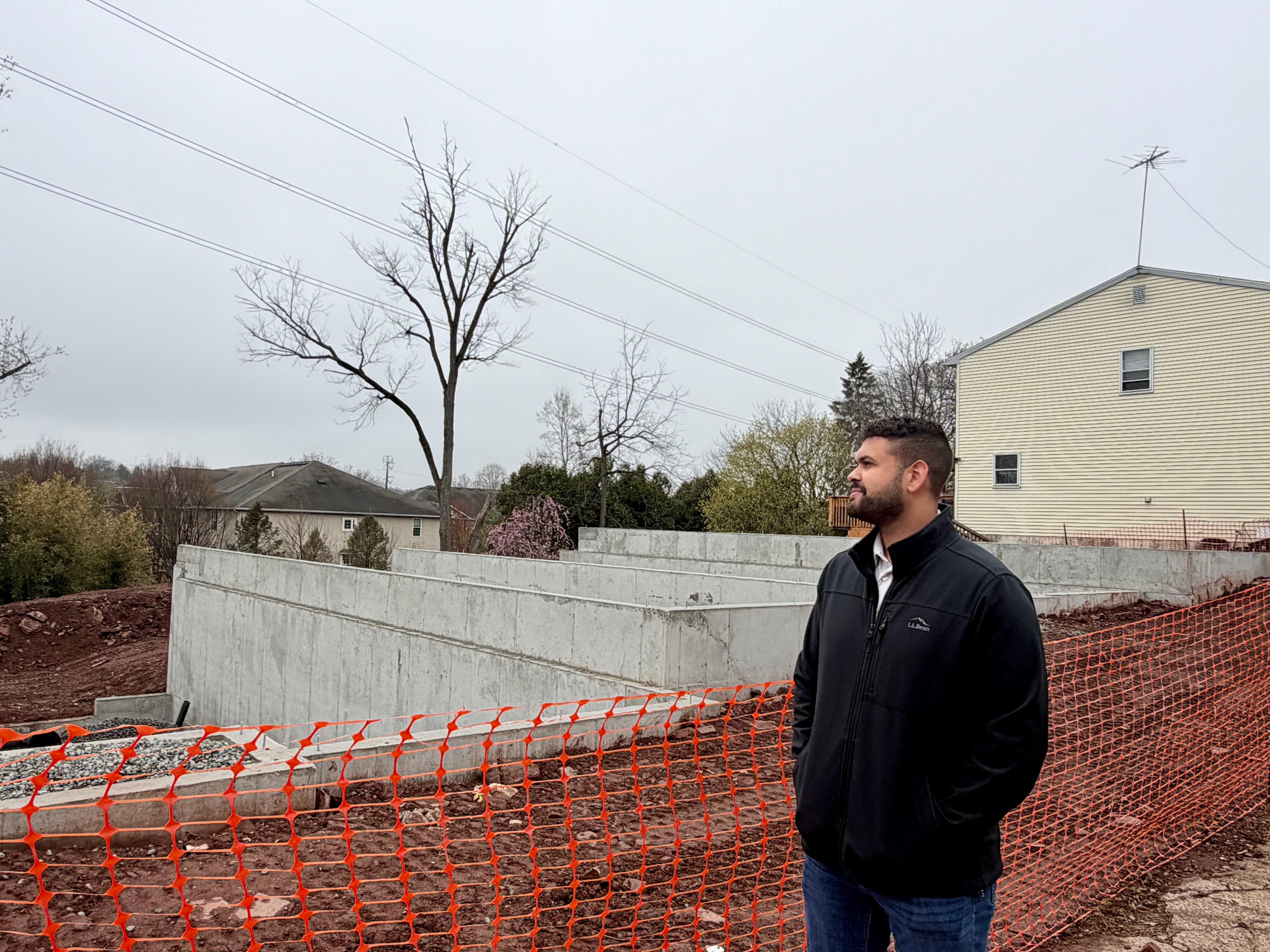
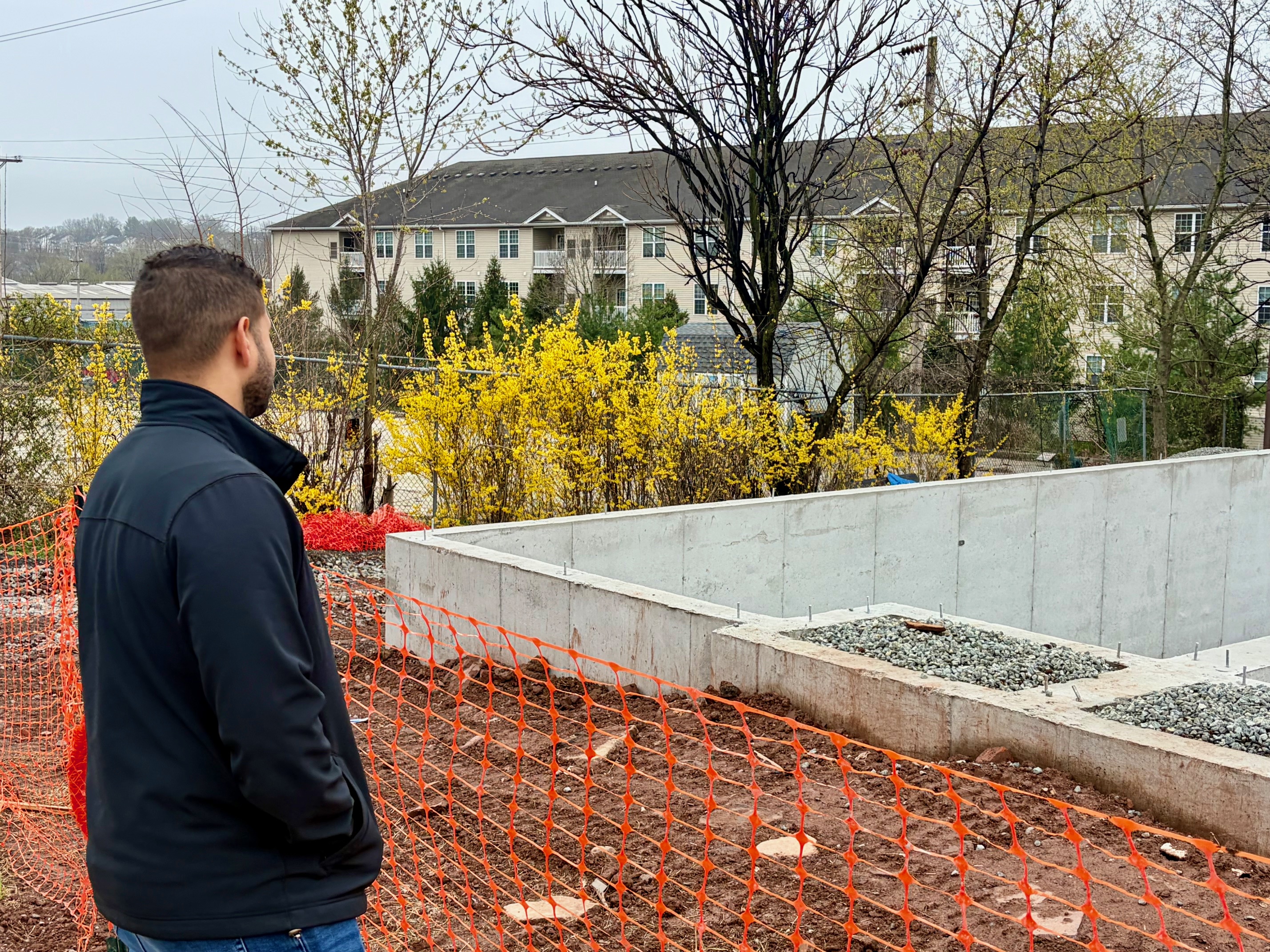
“You never think you would need a fireproof vault,” he said, pausing to consider his words at the site of his former house. “I feel like if I would’ve bought one, I never would’ve had a fire.”
In the days that followed the fire, support came quickly.
Local organizations and emergency responders set up relief at the fire station. Churches collected clothing and supplies. Donations helped residents get through the first days and weeks.
“It was something we weren’t expecting at all,” Johnson said, adding that accepting help wasn’t easy. “At a point, you just have to accept and be thankful.”
At the same time, another reality set in.
Johnson described a steady stream of solicitors he referred to as “firefighter chasers” — public adjusters, lawyers, contractors — showing up or calling repeatedly, often seeking a cut of insurance payouts. He described moments in which homeowners would return to their property to find five adjusters waiting for them in the adjacent parking lot.
In situations like his, Johnson said “you learn a lot about the insurance industry.”
“There are a lot of bad actors out there that capitalize on people's losses," he noted. "They use people's emotions in these high-stress situations to really take advantage of people."
He initially signed with a public adjuster, then later cut ties and worked directly with his insurance company, which was a decision he now views as critical.
“Stay away from all the people that chase you right after a big event happens,” he advised.
He and his former neighbors also heard from developers looking to move quickly, “just trying to rush everybody to sell these properties immediately,” he said.
A Complicated Process
As the immediate crisis passed, attention turned to the future of the properties. Johnson said that “getting all neighbors on board to do anything” was a challenge.
The homeowners eventually began coordinating, reaching out to builders and developers as a group. Even basic steps like demolition required alignment.
Meanwhile, Johnson, a first-time homeowner who had previously lived in Phoenixvillle, was managing his own financial reality. Insurance covered temporary housing for a time, but that support has expired. He has continued paying his mortgage while also covering living expenses.
“I didn’t think it would take over two years for my home to be rebuilt,” he said.
Choosing a Path Forward
As redevelopment plans took shape, Johnson faced a decision.
Taking an insurance payout would have meant paying off his mortgage and buying again in a rising market. Rebuilding offered a different path.
“It was more advantageous for me to rebuild my home versus just taking the payout from the insurance company,” he explained.
There was also a personal factor.
“I really liked the community’s response,” he said. “It really had a feeling of home.”
Johnson chose to stay and work with Rotelle, the developer selected to rebuild the site, to purchase a new home on his original lot.
Rebuilding the Block
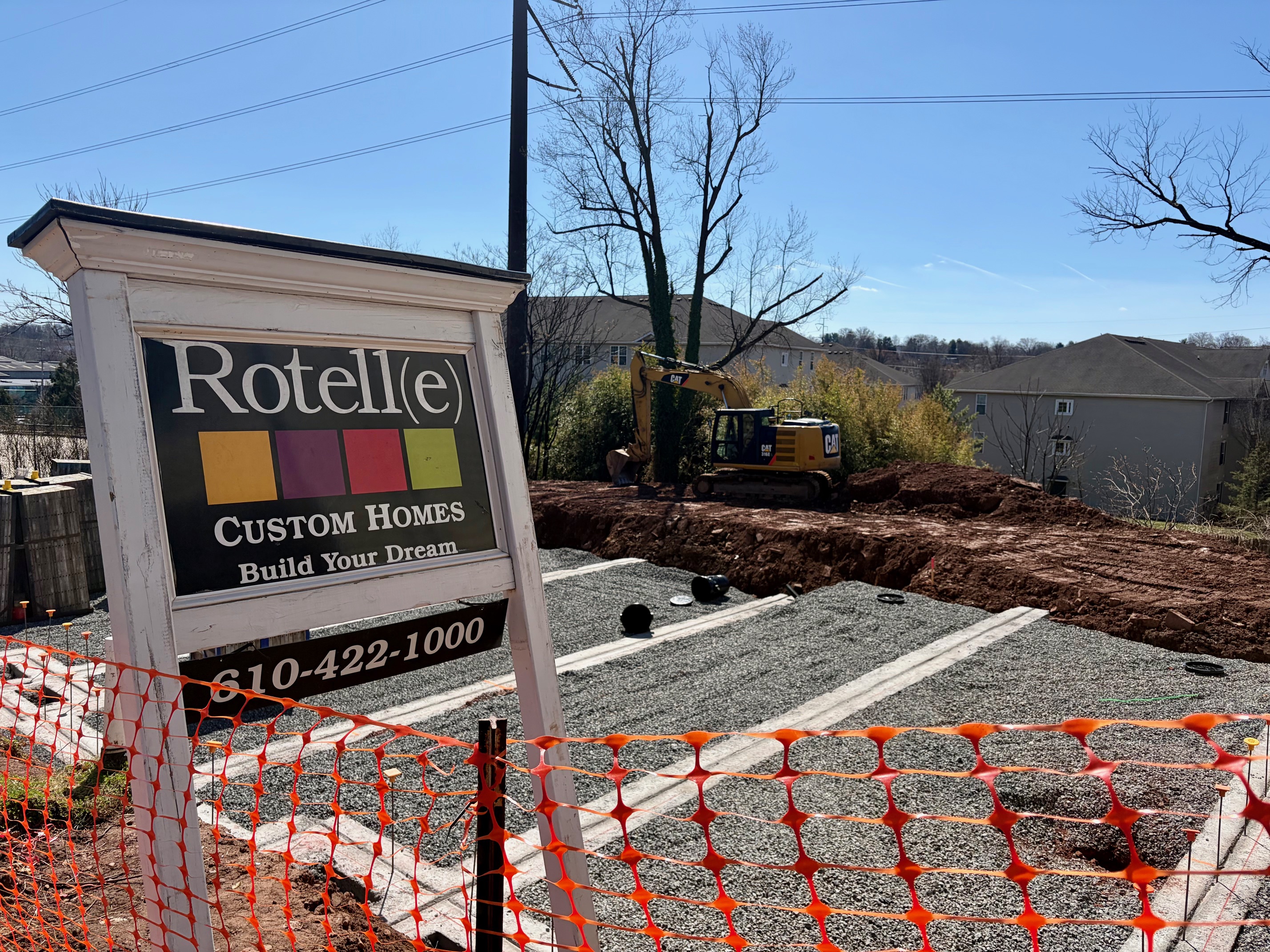
The developer broke ground on the new 2nd Avenue homes in March.
During an interview at his Pottstown office, Rotelle owner and CEO Peter Rotelle said projects like this are rarely straightforward, particularly when multiple property owners are involved.
“We kind of herded cats to try to get this deal together,” he said.
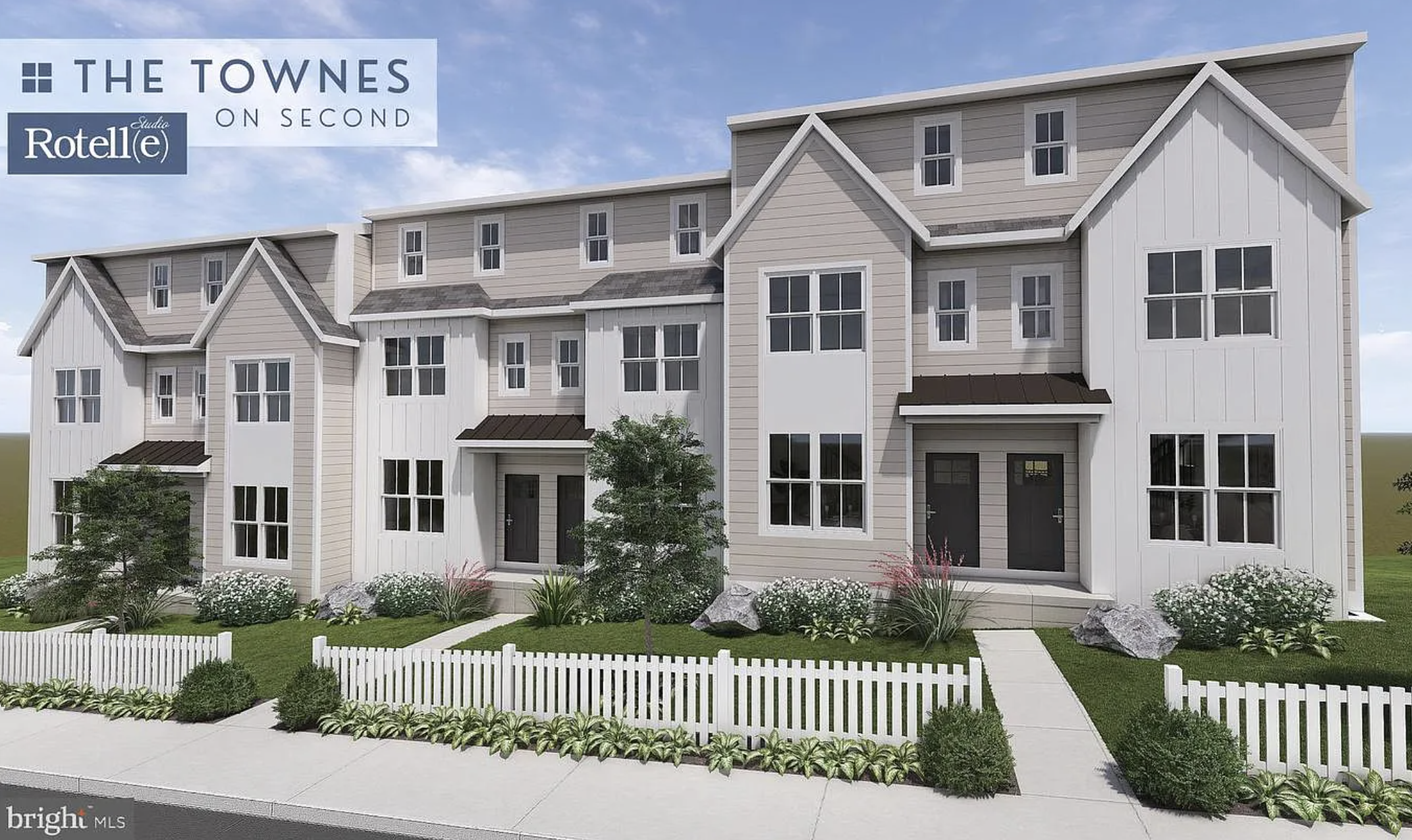
The redevelopment, called “Townes on Second,” will replace the six destroyed homes with new construction built within the same footprint, but with expanded living space.
“We’ve elevated it,” Rotelle said, describing the homes as “quaint with a contemporary flair.”
Three of the six homes are already sold, including Johnson’s, with all units expected to be completed later this year.
Rotelle said the company was drawn to the project in part because of its track record stepping into complex or stalled situations.
“We shine in cleanup projects,” he explained.
He also brings a personal perspective, having experienced a total loss of his home more than a decade ago — something he said helps him connect with homeowners navigating similar circumstances.
“I can relate to having everything taken from you,” Rotelle said.
Johnson mentioned that Rotelle’s willingness to engage made a difference. While many developers were focused on acquiring the entire site, Johnson said he appreciated how Rotelle was open to working with him to remain on the property as part of the rebuild.
Looking Ahead
Two years after the fire, Johnson remains in temporary housing nearby as construction moves forward.
The timeline has stretched longer than expected, shaped by approvals and coordination, but the path has become clearer.
Instead of starting over somewhere else, Johnson is preparing to return to 2nd Avenue, this time to a newly built home, with a girlfriend instead of a roommate.
For now, he said, that feels right.
“We want to call this place home,” he said. “We’re not ready to leave.”