If your house has felt like a revolving door this summer — kids in and out, cousins visiting, bedtimes sliding later, everyone’s schedule a little looser than usual — your dog has been living through all of that change right along with you. And now, as school picks back up, they’re about to experience another big shift: quiet, empty-feeling days after a summer of constant company.
That transition can be harder on dogs than we expect. One week the house is full of noise and activity from morning to night; the next, everyone’s gone by 8 a.m. and the dog is on their own for hours. Add in the return of homework, sports practices, and evening activities, and your dog’s whole world can feel like it’s shifting under their feet.
The good news: a few small, proactive steps now can make that adjustment a lot smoother — for your dog and for you. Here are six tips to help your family, four-legged members included, ease into the school year.
1. Start the reset before school does
Don’t wait for the first day of school to spring a new routine on your dog. If mornings are about to get earlier and busier, start shifting wake-up times, walk times, and departures a week or two ahead. Small, gradual changes are much easier for a dog to adjust to than an abrupt overnight switch from “everyone’s always home” to “everyone’s suddenly gone.”
2. Rebuild a consistent walk schedule — and plan around fall activities
Summer often means walks whenever someone has a free moment. But once after-school sports, practices, and activities kick in, evenings may not look like they did in June and July. Take a look at the fall schedule now and figure out realistically when your dog’s walks will happen. A consistent time — even if it’s a different time than before — helps your dog know what to expect and gives them something predictable to anticipate during a long day alone.
3. Consider a dog walker to protect that consistency
If the new schedule means longer stretches alone or gaps where no one can reliably get home for a midday walk, a dog walker can be a great tool — not just for a bathroom break, but to preserve the routine and structure your dog relies on. Even a couple of visits a week can take the pressure off and keep your dog’s day feeling steady rather than unpredictable.
4. Pay attention to feeding times
With schedules in flux over the summer, feeding times often drift too. As you settle into the school year routine, take stock of when your dog is actually eating now versus when they’ll need to eat once the new schedule is in place — and adjust gradually rather than all at once. Consistent mealtimes are a simple, often overlooked way to help your dog feel secure.
5. Give your dog an appropriate job during the morning rush
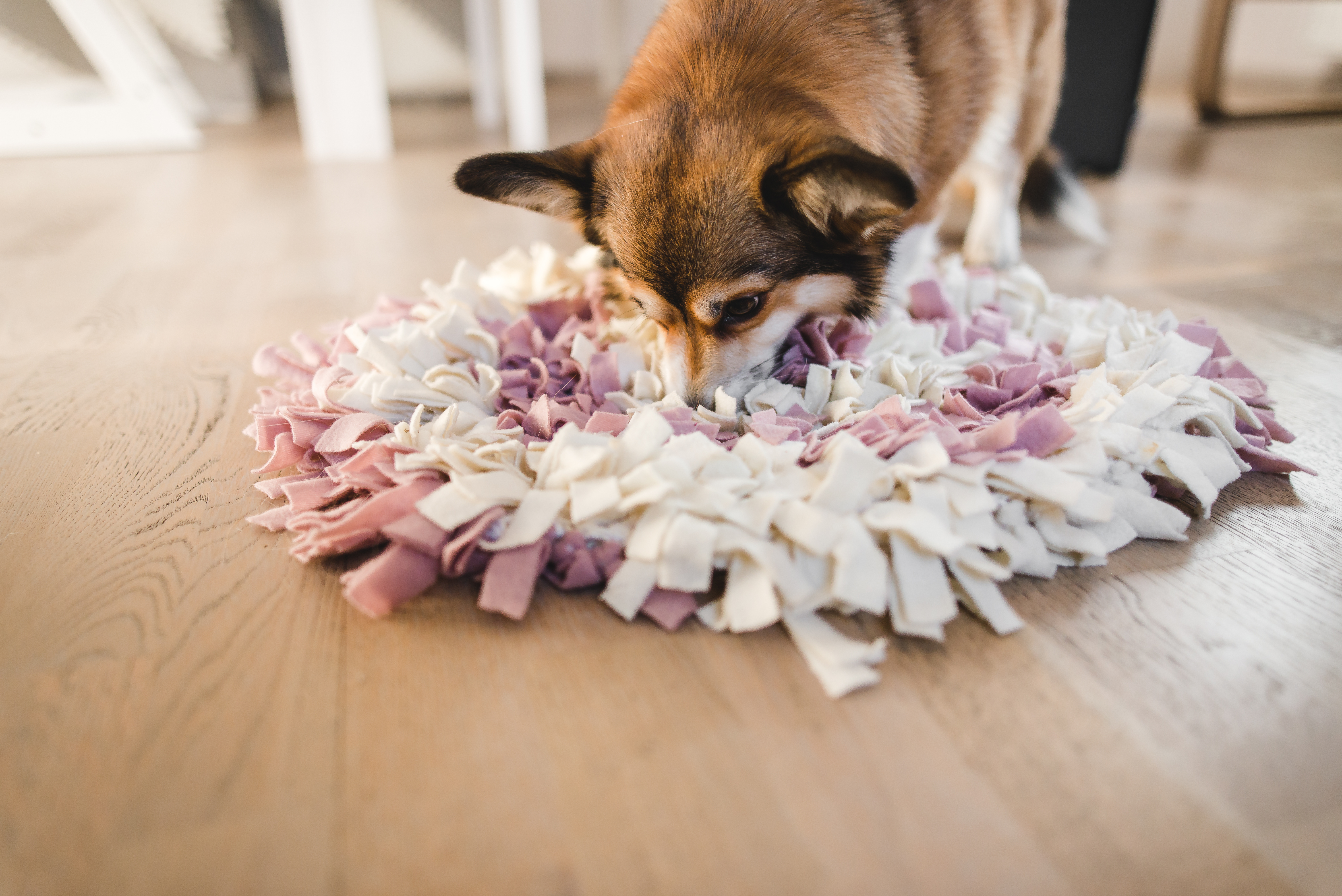
After your dog’s early walk, consider offering a safe enrichment activity while the family gets ready for the day. It can give your dog an appropriate outlet and encourage them to settle while backpacks are packed and everyone is moving around. Instead of getting swept up in the hectic energy, your dog has something productive to focus on, helping the start of the day feel calmer and more predictable for everyone.
Not sure where to start with enrichment? Visit Brilliant Dog Training’s Enrichment 101 resource for easy ideas and simple ways to help your dog stay mentally engaged.
6. Write it down
Once your household lands on the new normal — walk times, feeding times, who’s handling what — put it somewhere visible. A shared calendar, a whiteboard on the fridge, or a note in the family group chat can all work. When the whole family is on the same page about the dog’s schedule, it’s a lot easier to actually stick to it, and your dog benefits from that consistency every single day.
Every dog adjusts differently, and some — especially those who struggle with being alone, or who are naturally more anxious — may need more support than a routine reset alone can offer. If your dog is showing signs of stress around this transition, such as pacing, excessive barking, destructive behavior, or accidents when left alone, it's worth reaching out to a qualified, rewards-based trainer or behavior consultant to build a plan tailored to your dog.
Lesley Aronson is the founder of Brilliant Dog Training & Behavior, a Fear Free Certified, rewards-based training and behavior practice serving the Route 422 corridor. Learn more at brilliantdog.training.